
How Drone Wiring Harness Supports BVLOS UAVs
Time : July 23, 2026 View : 313
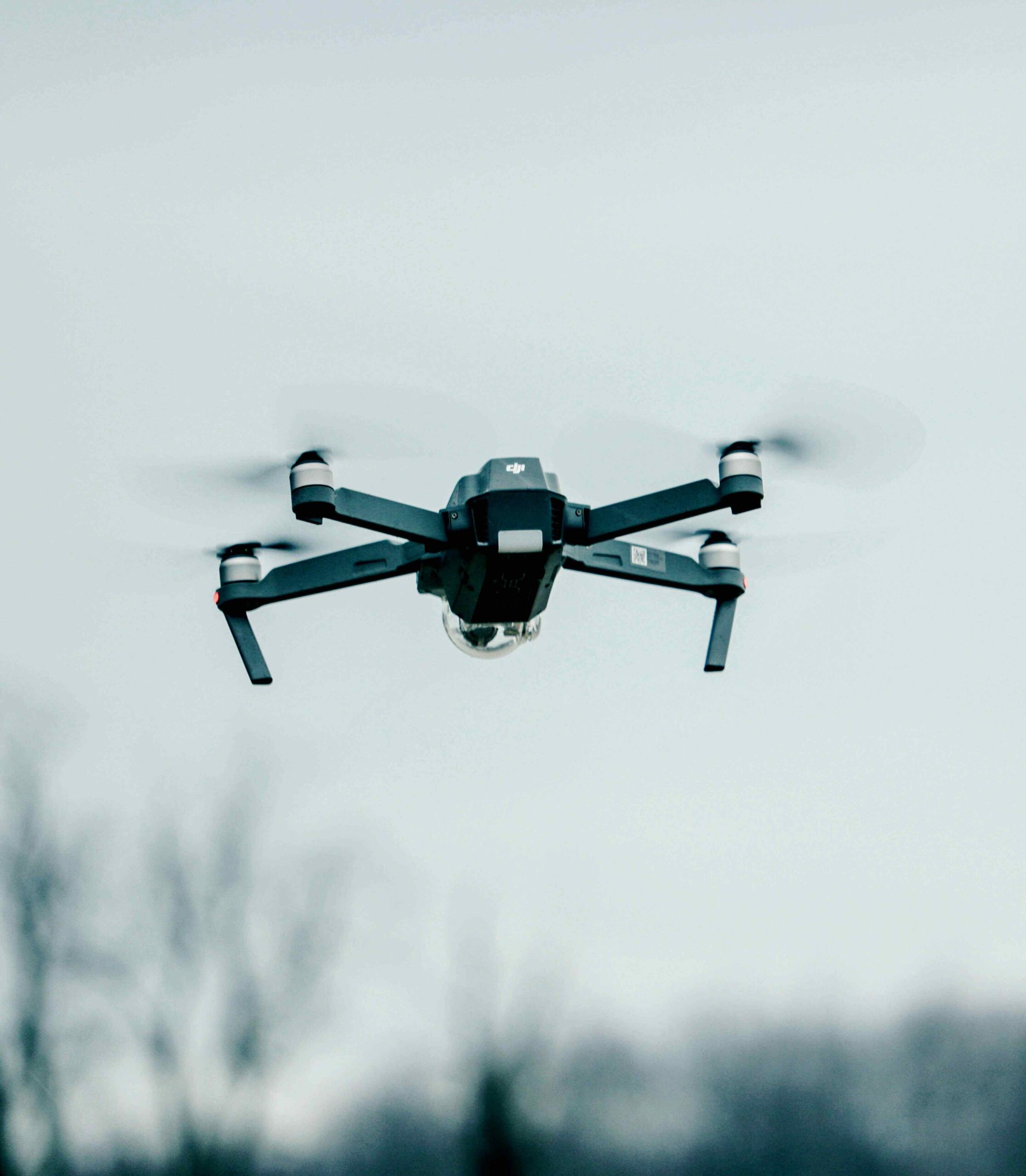
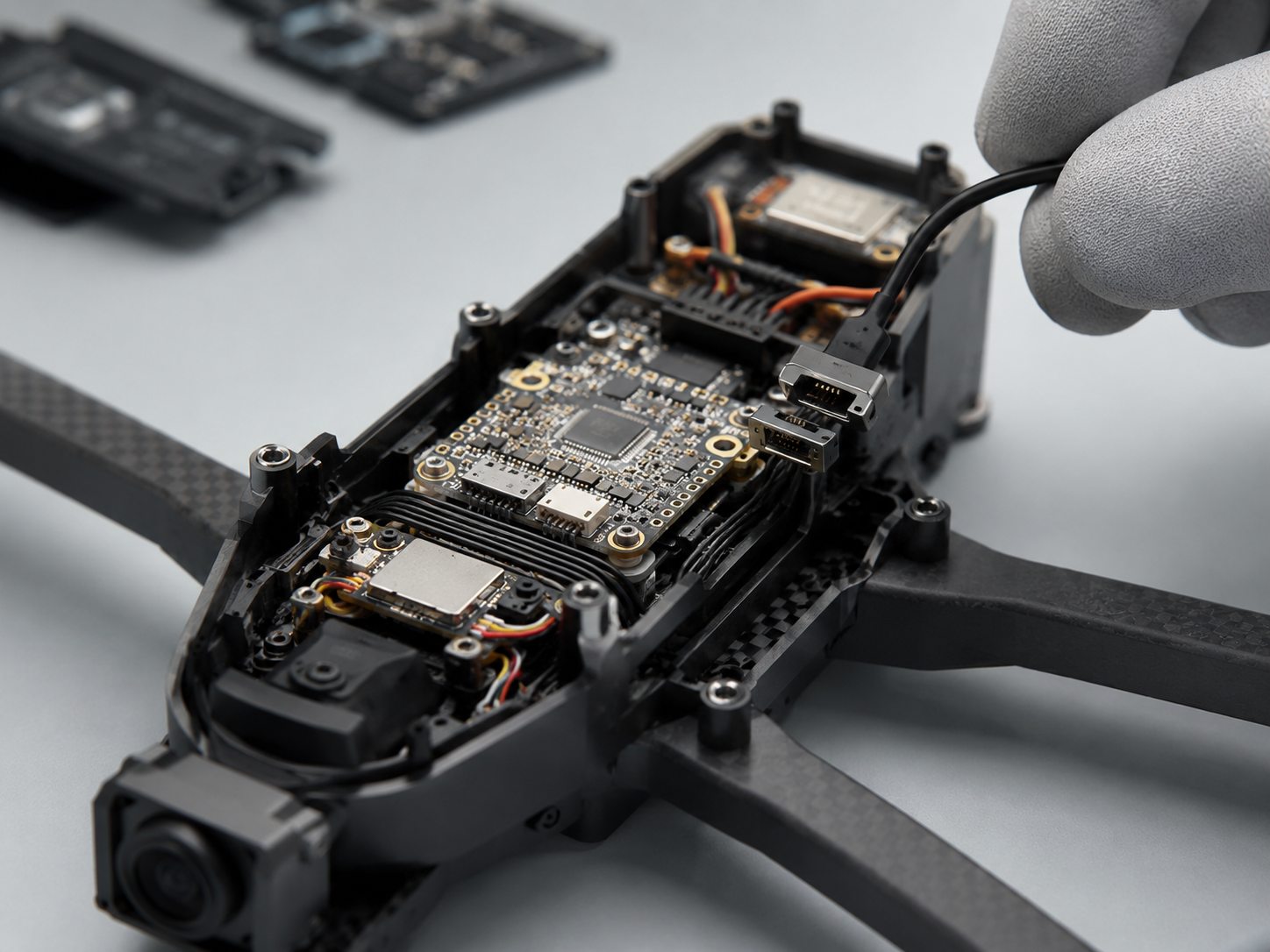
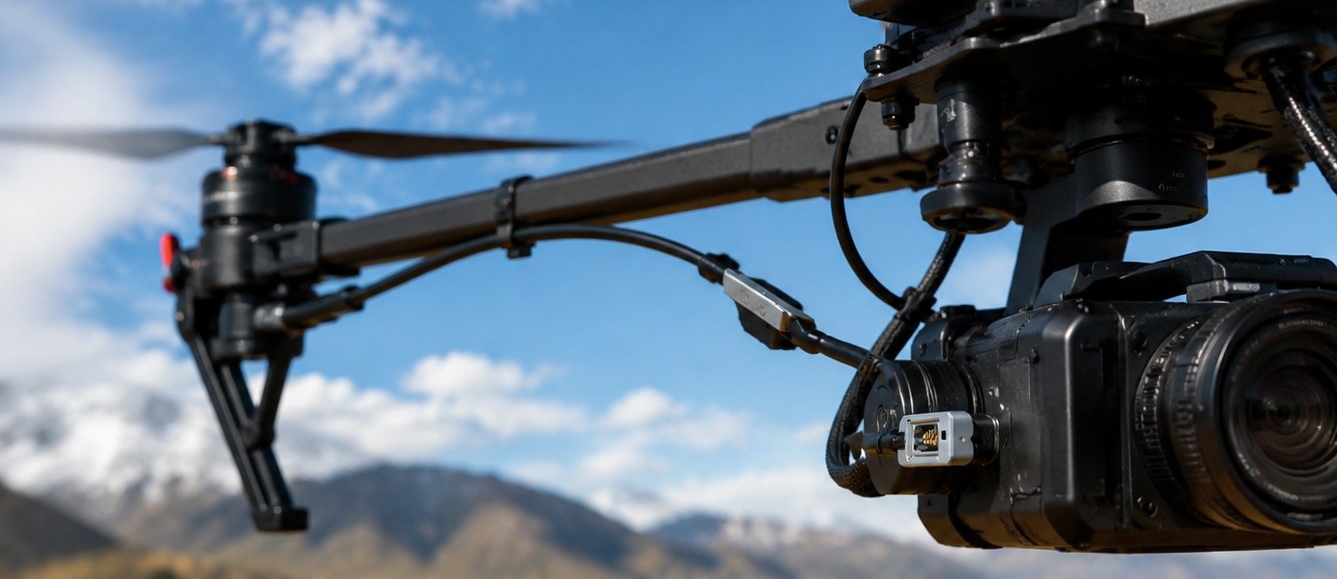
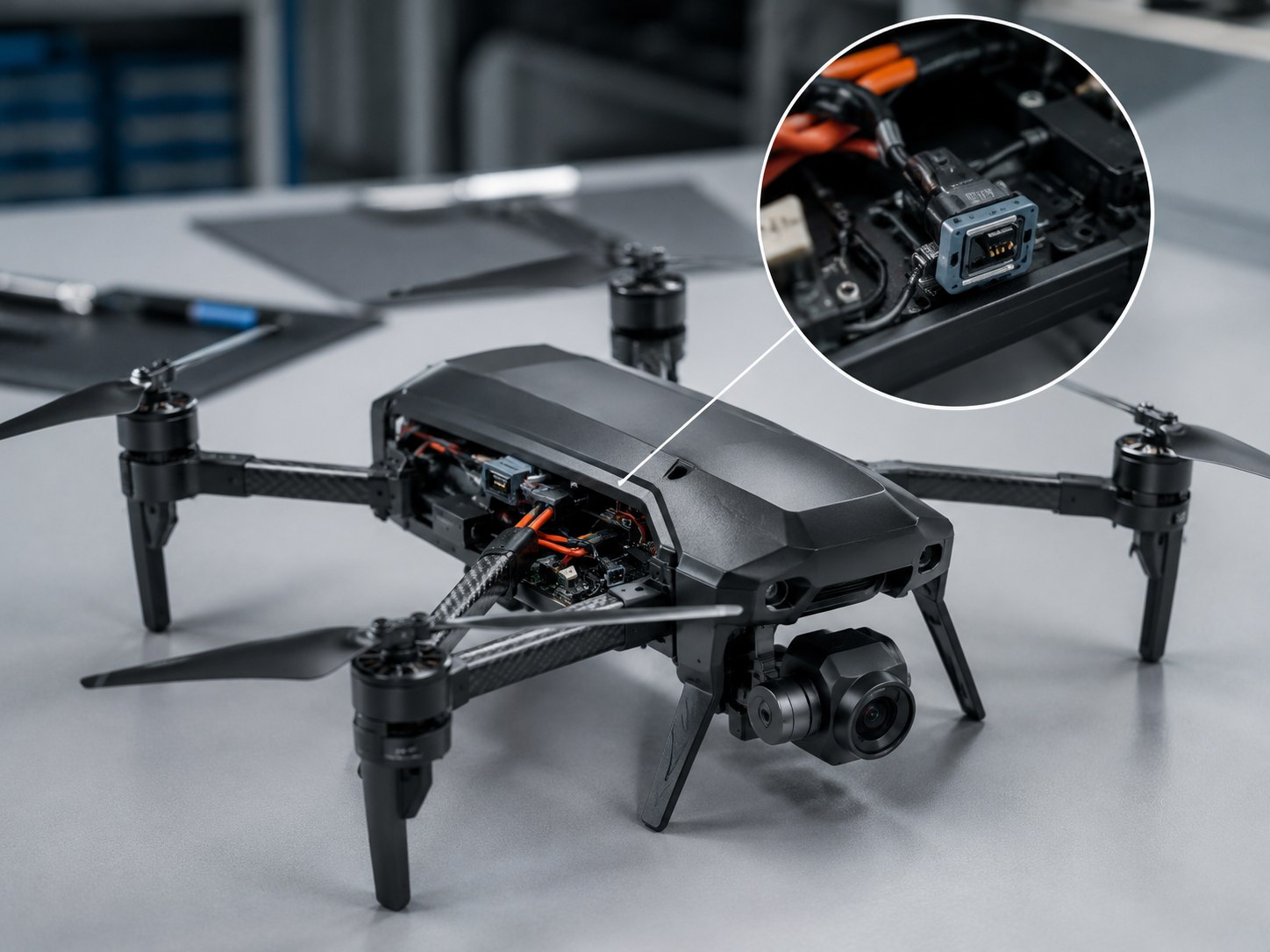
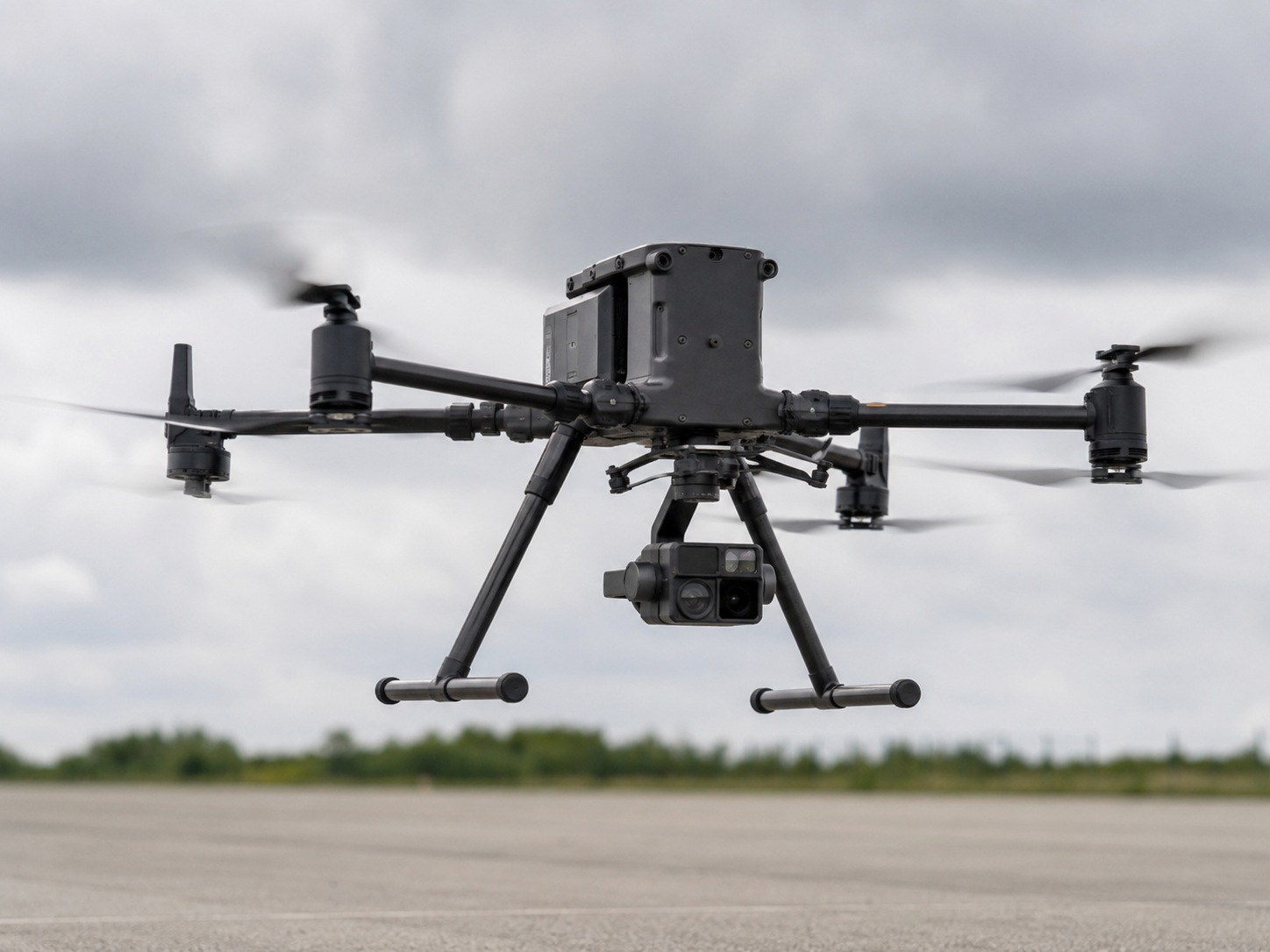
Foldable UAVs solve a field-deployment problem, but they create a hidden reliability risk. A drone wiring harness must bend at the hinge, resist vibration near the motor, carry stable power, and protect RF or HD video signals during long-range flight. After repeated folding, the drone may pass a bench test but suffer image noise, telemetry drop, or antenna loss outdoors.
At Songyuan wiring harness, we design a drone wiring harness as a complete power-and-signal route. Our manufacturing scope covers electronic wires, shielded power cables, ribbon cables, consumer electronics harnesses, industrial control harnesses, new energy wiring, and special cable assemblies for compact UAV routing.
Why Do Foldable Drone Arms Stress Cable Life?
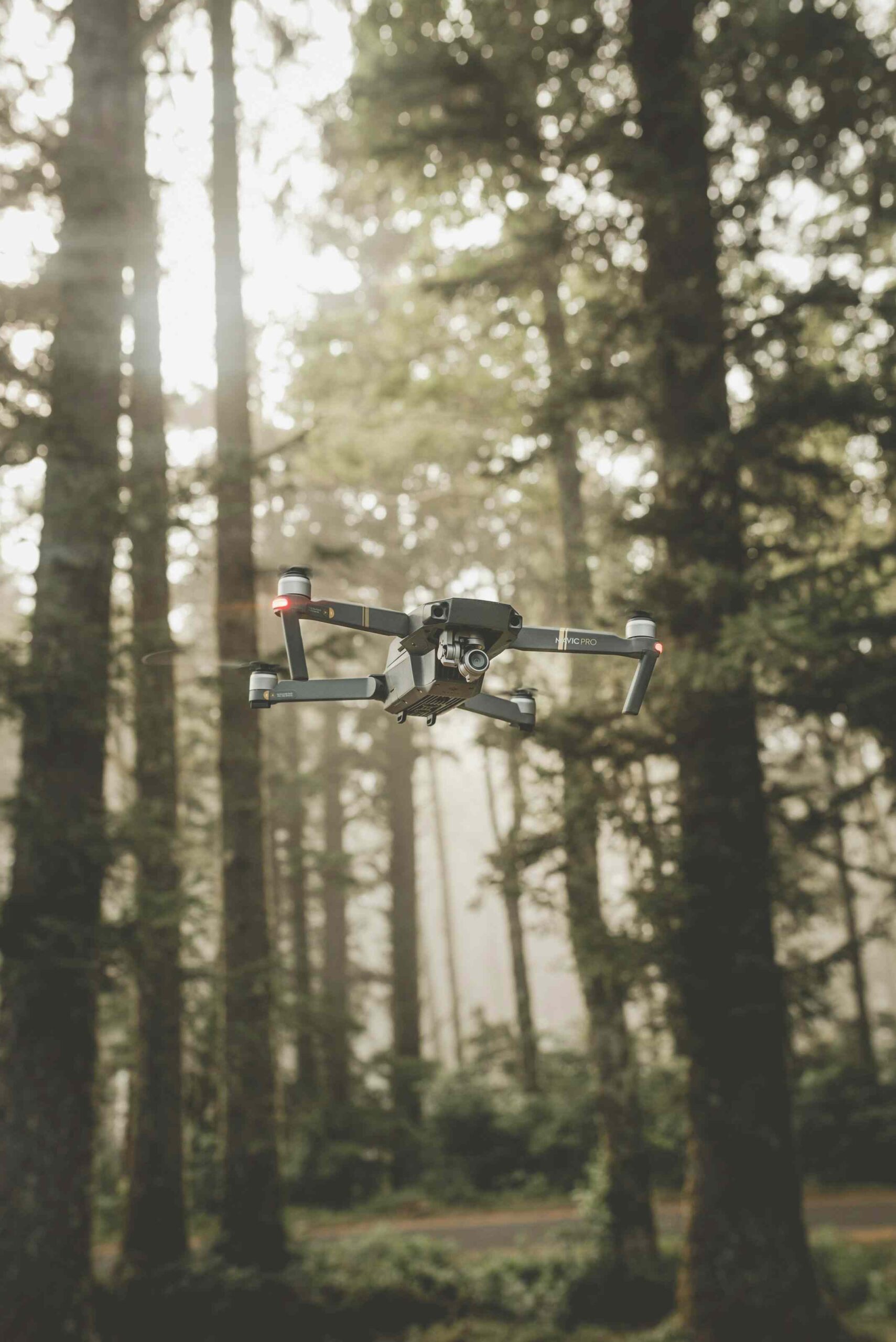
A foldable arm forces the drone wiring harness to work in a smaller bend area than a fixed frame. The cable is twisted, compressed, pulled, and reopened many times. Early faults often appear as shielding separation, jacket whitening, conductor fatigue, or connector micro-movement.
Our automotive moving-joint case is a useful reference. At the door hinge, a corrugated tube with a spring protective sleeve increased tensile strength by 80%, while a metal bracket plus silicone buffer pad reduced vibration amplitude by 90%. For foldable UAVs, the same logic applies: the drone wiring harness needs controlled slack, strain relief, protective sleeving, and a stable bend radius.
How Does Long-Distance Transmission Cause Signal Attenuation?
Long-distance transmission makes a drone wiring harness sensitive to cable length, conductor loss, dielectric loss, shielding coverage, connector contact resistance, and sharp bending. A longer HD image return path or antenna lead must keep waveform quality, phase behavior, and low attenuation under vibration.
In an ECG harness, high-purity silver-plated copper helped reduce signal loss, and shielding isolated 50Hz AC and EMG interference for mV-level signals. In a medical aesthetic video-transmission case, an HDMI 2.1 active optical cable with high-density copper mesh braid plus aluminum foil double shielding supported HD, low-latency transmission and reduced replacement costs by 70%. A long-range drone wiring harness faces the same issue.
Why Does Impedance Matching Matter for RF Links?
Impedance matching decides whether RF energy travels cleanly from the module through the cable to the antenna. If the drone wiring harness changes shape after bending or the connector termination is inconsistent, part of the signal can be reflected. The result may be shorter range, weaker telemetry, or unstable image return.
For UAV antenna routing, controlled impedance is essential. Our military UAV antenna signal cable uses a silver-plated copper conductor, PTFE insulation, double-layer shielding with aluminum foil and silver-plated copper braid, and an FEP sheath. It supports high-frequency transmission such as Ka/Ku bands, low attenuation, phase stability, lightweight routing, a small bending radius, and a typical 50Ω RF antenna impedance across -55°C to 200°C.
How Does Precision Twisting Stabilize HD Image Transmission?
Precision twisting keeps conductor spacing consistent. In differential signal lines, this helps reduce crosstalk and keeps impedance more stable. For ultra-remote HD image transmission, twist pitch must match the signal type, cable diameter, shield design, connector process, and bend path.
A drone wiring harness also operates beside ESCs, motors, batteries, and switching power modules. Twisted signal pairs with aluminum foil, copper braid, or double-layer shielding help resist this noise. In an automotive harness case, multi-strand ultra-fine copper twisted conductors and double-layer aluminum foil plus copper mesh shielding achieved shielding efficiency above 95%, while high-purity oxygen-free copper reduced signal transmission loss by 40%.
What Cable Types Fit a High-Flex Drone Wiring Harness?
A reliable drone wiring harness should separate RF, HD video, control, charging, and power functions.
|
Cable type |
structure |
Key parameters |
Drone wiring harness value |
|
UAV antenna signal cable |
Silver-plated copper, PTFE insulation, aluminum foil plus silver-plated copper braid, FEP sheath |
Typical 50Ω RF impedance, Ka/Ku support, -55°C to 200°C |
Controls attenuation, phase drift, EMI, and tight routing risk |
|
RVVP shielded flexible cable |
Multi-core shielded PVC sheathed flexible cable |
2–10 cores, 0.3–2.5mm², 300/300V or 300/500V, bend radius usually 15× OD or down to 10× in some flexible versions |
Fits low-voltage signal and control paths requiring anti-interference |
|
Extra-soft silicone wire |
Ultra-fine tinned copper conductor with silicone insulation |
30AWG to 8AWG, conductor structures from 11/0.08 to 1650/0.08, high flexibility and fatigue resistance |
Supports moving internal leads and selected drone power cable needs |
|
Type-C / USB charging cable |
Multi-strand tinned or silver-plated copper, FEP/PVC insulation, TPU or nylon braided sheath, gold-plated terminals |
5V–20V, up to 100W, USB 2.0 to USB 3.2 Gen2, bending resistance ≥5 million times |
Supports drone USB charging cable, debugging, data transfer, and service access |
These specifications show why buyers should not choose a drone wiring harness only by outer diameter. RF cables require impedance control. A drone power cable requires conductor sizing, low resistance, heat control, and bend life. A drone USB charging cable requires protocol matching, connector reliability, and repeated plugging performance.
How Should Power and USB Lines Be Designed?
A drone power cable should stay away from RF and HD image lines whenever the arm layout allows it. High-current discharge and motor load changes can inject noise into nearby signal paths. If crossing is unavoidable, the crossing angle, grounding, fixing method, and shielding structure should be reviewed before sample approval.
For a drone USB charging cable, the connector fit is only the starting point. The cable may handle charging, firmware updates, data extraction, or field debugging. The Type-C cable specification supports PD voltage levels from 5V to 20V, up to 100W output, USB 2.0/3.2 Gen1/Gen2 data rates, contact resistance ≤5mΩ, and 10,000 insertion cycles.
What Should Buyers Confirm Before Sampling?
Before sampling a drone wiring harness, we need the folding angle, hinge radius, arm diameter, cable length, connector location, current load, signal type, shielding requirement, target impedance, jacket material, and working environment. Professional drone wiring harness manufacturers should also confirm bending endurance, pull-out force, insertion life, insulation resistance, vibration, and signal stability after folding.
Our customization process starts from CAD files, prototype modeling, quotation, sample testing, production inspection, finished product inspection, logistics declaration, and transportation delivery. This process helps buyers move from concept to batch delivery with controlled verification.
Conclusion
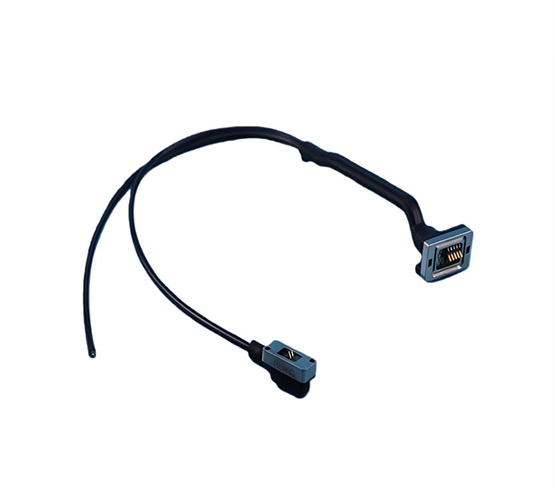
A high-flex drone wiring harness protects flight stability, HD image return, antenna range, charging reliability, and repeatable assembly. In foldable UAV arms, signal attenuation, impedance matching, and precision twisting directly affect field performance. For custom foldable drone projects, share the routing drawing, target impedance, power load, bend space, and image transmission requirement with Songyuan wiring harness so we can review cable structure, shielding, connectors, and sample testing before mass assembly.
FAQ
What should I send to drone wiring harness manufacturers for a quotation?
Send the drawing, arm structure, folding angle, cable length, connector model, signal type, current load, impedance target, test standard, and quantity.
Can a drone power cable and a drone wiring harness share the same route?
They can share space only when noise, heat, shielding, and bend radius are controlled. For HD image transmission, separation is safer.
What makes a drone USB charging cable reliable for UAV service?
It needs protocol compatibility, stable contact resistance, sufficient bending life, durable sheath material, and connector insertion life matching field maintenance.
Does custom drone wiring harness production include after-sales support?
Yes. Support can include feedback collection, issue analysis, sample revision, warranty service, and clear return or exchange procedures.