

How does a drone wiring harness improve drone power efficiency?
Time : July 02, 2026 View : 302
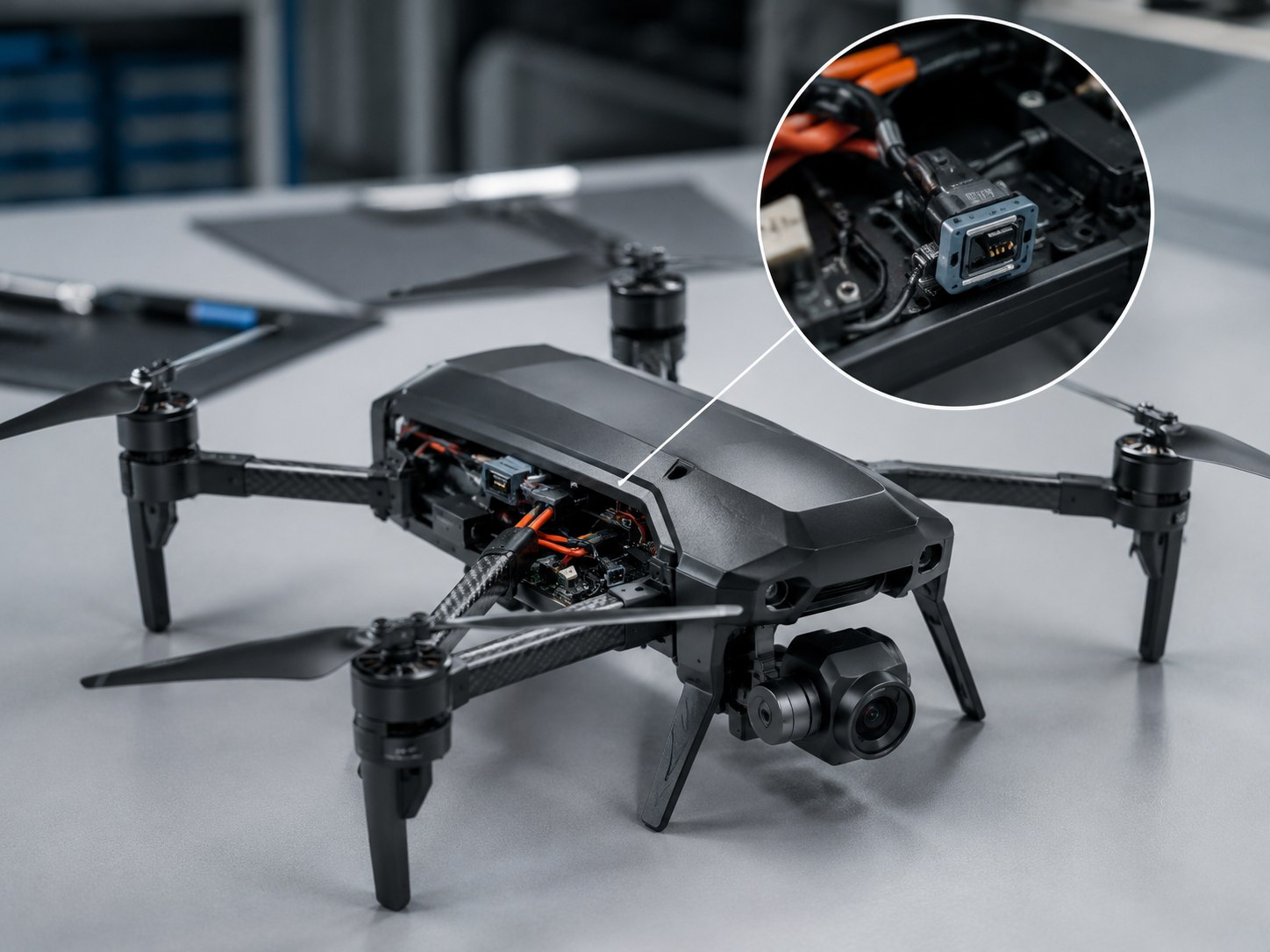
Modern drone platforms need a steady energy flow and exact signal timing to work well. In daily engineering, a drone wiring harness is more than just a set of plugs. It acts as a planned path for energy and data. This path directly impacts how long a drone flies and how safe it stays. Inside tight drone frames, even tiny mistakes in cabling lead to voltage loss or slow data. Overheating under heavy loads is also a common risk.
Songyuan wiring harness creates tailored fixes for drone energy setups. We focus on smooth conduction and strong shielding. Our lightweight builds are perfect for drone uses where keeping power steady is vital.
Battery-to-blade efficiency architecture of drone wiring harness
The success of a drone wiring harness starts with how it moves power from the battery to the motors. In drone setups, shaky currents and resistance gaps hurt thrust and flight balance. A smart drone cable setup cuts down on energy waste. It does this by using better wire shapes and protective layers.
In the field, engineers use very pure copper and twisted wire patterns. These choices keep power moving while making the wires easier to bend. This method follows proven industrial rules. Drone wiring harness uses multi-strand copper conductors combined with FEP or TPU insulation materials to support stable signal transmission in compact UAV electrical systems. They ensure tiny electrical pulses stay clear. Their control signals must remain stable under vibration and electromagnetic interference conditions.
Keeping signals separate is also key. Multi-layer shielding structures combining copper braid and aluminum foil help reduce electromagnetic interference from motors, ESCs, and power systems in UAV environments. This boost in reliability helps drones fly in tough spots. It makes sure that motor noise or power spikes do not mess with flight commands.
How high quality drone cable support stable drone operation
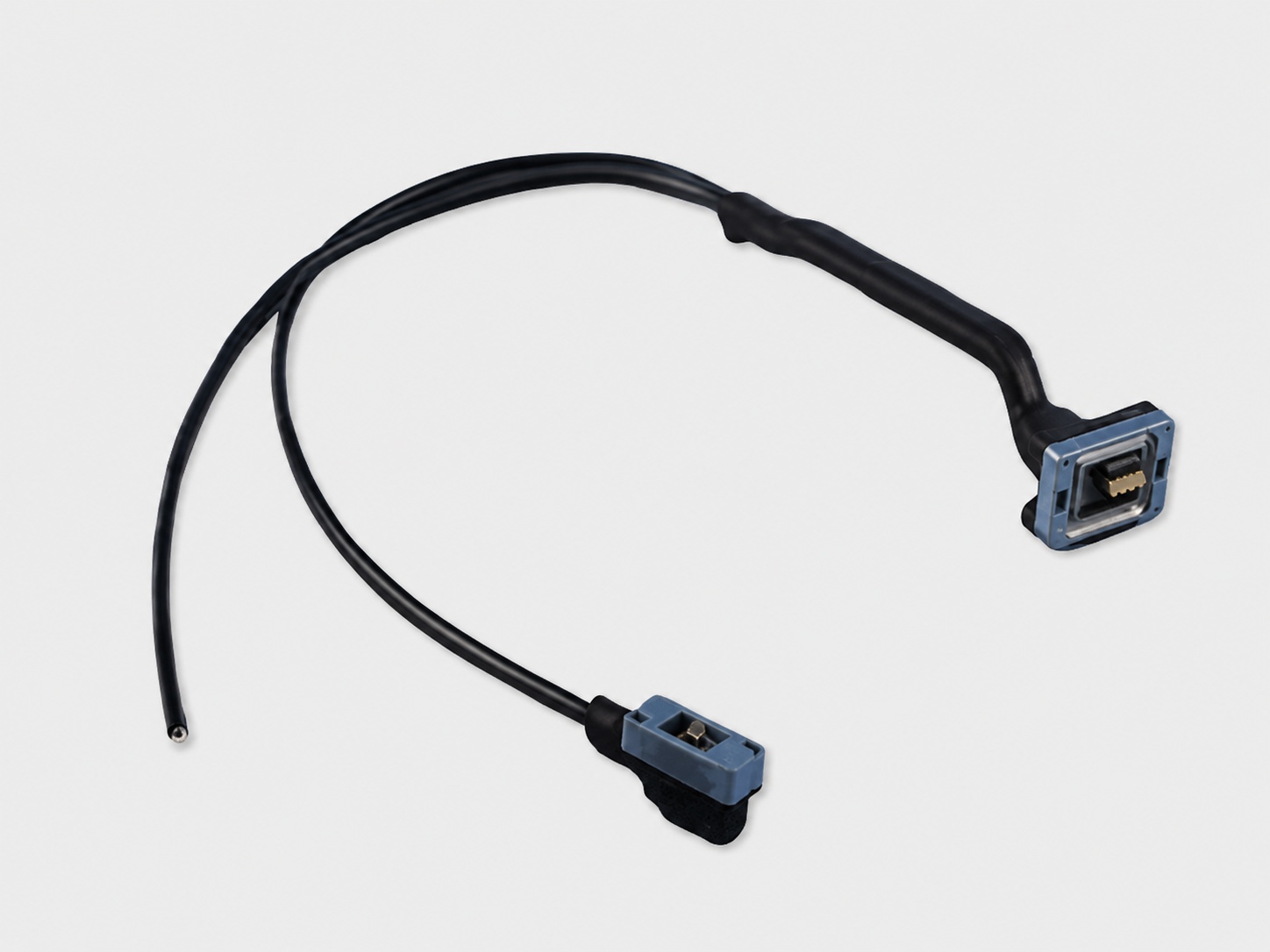
A high-quality drone cable has to be light, bendable, and electrically strong. Standard factory wires are often too heavy. Drones need slim parts that do not lose power or break easily under stress.
The chart below shows common setups used in drone wiring harness work:
|
Core Performance |
Specification |
|
High-Frequency Signal Transmission |
Supports stable RF signal transmission for UAV communication systems |
|
Signal Loss Control |
Low attenuation design ensures high integrity of long-distance transmission |
|
Shielding Performance |
Multi-layer shielding effectively reduces EMI in complex electromagnetic environments |
|
Flexibility |
Ultra-flexible structure enables easy installation in compact drone frames |
|
Environmental Resistance |
Stable performance under high vibration, humidity, and temperature fluctuations |
A drone wiring harness built with this logic keeps the current steady. Even when a drone speeds up fast or turns sharply, the power stays smooth. This makes the whole drone feel more responsive to the pilot.
Engineering role of drone charger cable system stability
People often ignore the drone charger cable, but it is vital for battery health. It handles how the battery charges and stays safe. If the wire has high resistance or loose parts, the battery might get too hot. This ruins the battery over time.
A well-made drone charger cable uses wires that do not waste energy. It also has tough outer layers to keep power input steady. In big factory systems, FEP covers are used to handle high heat. This helps machines run without stopping in hot areas. Drone charging needs this too. Keeping the heat down helps reduce overheating risk and supports stable charging performance.
The plug design also matters for fast charging. Gold-plated tips and strong locks stop power loss at the connection point. This is very helpful for teams that fly many drones and charge them often every day.
Signal reliability and antenna line integration in drone systems
For high-end drones, sending data is just as vital as moving power. Work drones use antenna lines built into the drone’s wiring harness. These lines help them talk to the ground over long gaps.
Blocking noise is the main goal here. Drone antenna wiring harness uses multi-layer shielded coaxial structures to reduce electromagnetic interference and support more stable signal transmission in high-interference UAV environments. They keep data clean even when big electronic waves are nearby.
A high-performance drone cable must keep its electrical traits steady. It needs to fight off the weather too. TPU covers, and copper braids help these wires survive rain, dust, and big temperature shifts outdoors.
Songyuan’s wiring harness engineering capability in drone systems
Songyuan wiring harness brings top-tier factory standards to the drone world. We use our skills from making cars and factory wires to build better drone parts. Our process includes multi-layer shields and tight wire pressing.
High-quality wiring harness systems using oxygen-free copper conductors and robust shielding structures are designed to maintain stable power transmission under vibration and environmental stress conditions. We use these exact steps when making a drone wiring harness for high-stakes flight.
Also, our internal records show we spend a lot on new tech and patents. We turn our best ideas into parts we can make in large numbers. This ensures every drone cable we sell is both smart in design and tough in the real world.
Conclusion
A drone wiring harness is a core part of any drone. It controls how well the drone uses power and how clearly it “thinks.” From moving energy to the blades to keeping the drone charger cable safe, every wire matters for the final flight.
Drone wires become much more reliable. For pro buyers and drone makers, picking a smart drone cable saves money on repairs. It also keeps the drones in the air longer and makes every mission safer.
FAQ
How does the drone wiring harness affect drone flight stability?
A drone wiring harness moves power and data between the battery and the brain. If the wires are bad, the power might drop. This makes the drone hard to control or slow to react.
What makes a high-quality drone cable different from standard cables?
A high-quality drone cable uses very thin copper strands and top-end covers like FEP. It also has better shields to stop electronic noise and stays strong even when the drone shakes a lot.
Why is drone charger cable design important for battery safety?
A drone charger cable keeps the power flow even. It stops the battery from getting too hot while it fills up. This prevents damage and helps support more stable battery performance over time.
Can a drone wiring harness reduce electromagnetic interference in drone systems?
Yes. A shielded drone wiring harness uses metal layers to block noise. This helps the sensors and the remote control talk to each other without any glitches.


-
 How to Identify Reliable Drone Wire Suppliers in a Competitive Market?
-
 What is an Automotive Wire Harness and How Does It Power Your Vehicle
-
How does a drone wiring harness improve drone power efficiency?
-
 What Are the Common Challenges in Cable Harness Assembly?
-
 How Can Drone Wiring Harness Protect Long-Range Signals?
