

How Does a Drone Wiring Harness Improve Flight Control?
Time : July 10, 2026 View : 309
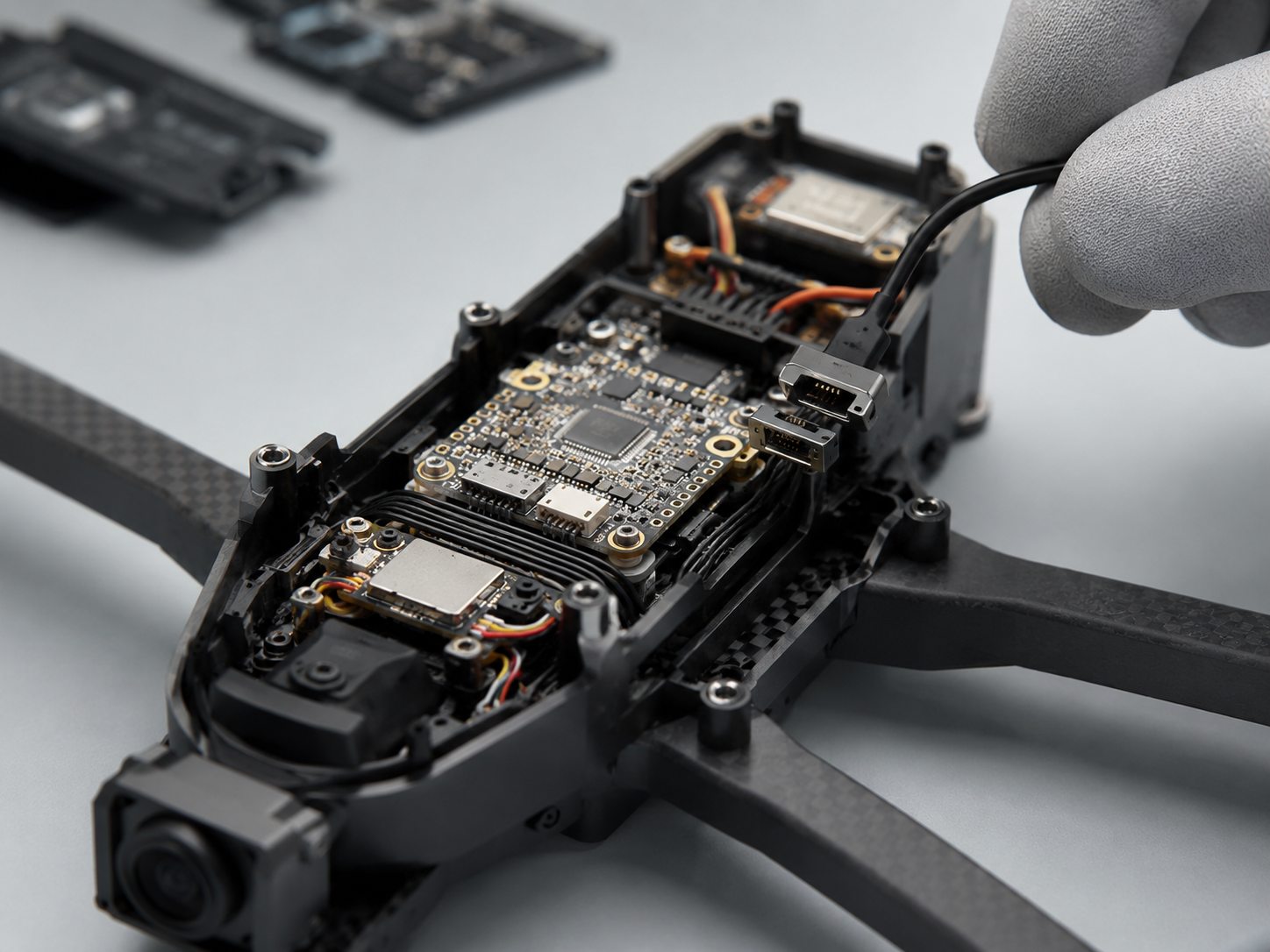
Today’s drones are getting lighter and faster. They also rely heavily on real-time data. A flight platform needs steady battery power and precise motor reactions. It also requires clear sensor feedback, solid video links, and safe charging. All of this must fit inside a very tight internal space. Because of these demands, a drone wiring harness is never just a basic bundle of wires. It acts as the core electrical framework. This framework connects the battery, ESC, motor, and flight controller. It also links the receiver, camera module, charging port, and sensor system into one unified network.
At Songyuan wiring harness, our team focuses on custom wire products. We build these for electronics, industrial controls, medical tools, and energy storage. We also make them for new energy systems and special cable assemblies. This deep technical background is very important for drone projects.
What Makes a Drone Wiring Harness Different from a Normal Cable?
A drone wiring harness operates in a much tougher setting than basic consumer cords. It has to deliver battery power during sudden speed bursts. It must also send control signals without any changes to the data. Furthermore, it needs to handle endless shaking from the motors and spinning props. It must fit perfectly into a tiny frame. Every single millimeter of length and every gram of weight will impact the overall layout and flight performance.
A regular cord might only handle charging or one-way data flow. In contrast, a drone wiring harness usually handles power delivery and signal routing at the same time. It also manages battery data collection, motor commands, and receiver updates. Sometimes, it connects the camera or image modules too. Because of this, you must pick the wire thickness, terminal style, and shielding type altogether. You cannot just pick them one by one.
In real-world drone building, the harness also impacts future repairs. Clear wire colors and printed labels help a lot. Heat shrink tubes, terminal covers, and mounting clips also make a big difference. Exact cable lengths speed up the building process and cut down on repair errors. For B2B drone companies, this matters greatly. Reliable harness quality directly boosts factory speed. It also makes after-sales support much easier and keeps batch quality high.
What Is Inside a High-Performance Drone Cable?
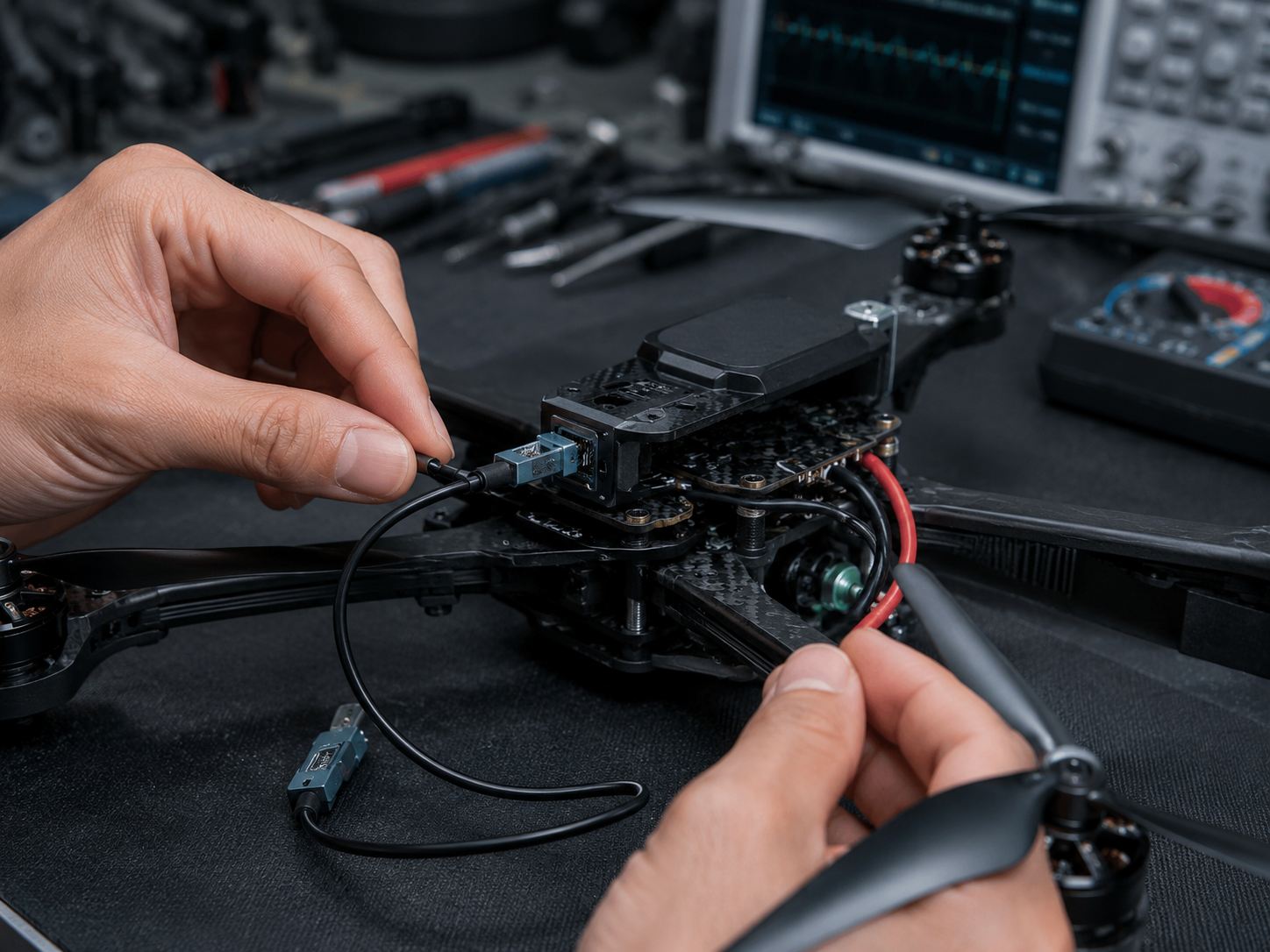
A top-quality drone cable consists of four main parts. These are the conductor, the connector, the shielding layer, and the outer jacket. Each specific part plays a huge role in power delivery, signal clarity, and physical toughness.
The conductor serves as the electrical pathway. For drone battery, motor, and ESC lines, builders prefer multi-strand copper wires. These wires blend great power flow with easy bending. For exact signal sending, tinned copper or silver-plated copper works best. These materials lower signal drops and maintain steady connections. In our technical records, the USB and Type-C structures use multi-strand tin-plated or silver-plated copper. This wire offers a conductivity rate of at least 98%. Meanwhile, data lines and power lines use different AWG sizes to meet specific power needs.
The connector acts as the physical joining point. Drone setups often need small plugs like JST-PH, PH, XH, Type-C, USB, XT30, XT60, XT90, and T-type connectors. For model planes and drone battery uses, our product records strongly support XT30, XT60, XT90, T-type connectors, JST-PH, and XT60H reverse-proof plugs. These specific terminals handle different power loads perfectly. They also fit nicely into very small spaces.
The shielding layer guards delicate signals. Drone parts create a lot of electrical noise. This noise comes from motors, ESCs, wireless chips, and camera boards. Aluminum foil wraps, braided copper nets, or double-layer shields can block this outside noise. This protection helps support smoother signal transmission.
The outer sheath protects the entire internal structure. Silicone, TPU, PVC, FEP, and Teflon each fix different issues. Silicone bends easily and handles high heat well. This makes it great for model aircraft power lines. TPU offers excellent wear resistance and fights off aging. FEP and Teflon work wonderfully for low-loss data lines and hotter working areas.
How Does Precision Transmission Affect the Flight Controller?
Accurate data flow is extremely vital for drones. This is because flying choices happen instantly. The receiver sends the pilot’s moves. The sensors share the drone’s tilt and speed. Finally, the ESC changes the motor speed based on the main board’s orders. If the drone cable features weak shielding or bad plugs, you will notice delays. The data gets twisted. Pilots might see the drone drifting or turning late. They might also notice jerky throttle changes or static on the screen.
This explains why picking the right materials for a drone wiring harness is crucial. A solid inner wire cuts down resistance and signal fading. A tight plug stops random disconnects. A good shield blocks noise from heavy power lines. A soft outer jacket keeps the wire safe during heavy shaking and frequent repairs. When combined, these small choices help the flight system get pure data. The drone can respond with lower perceived delay and more stable control feedback.
Why Does Customization Matter for Drone Wiring Harness Production?
Drone shapes and sizes change constantly. A tiny racing drone, a bridge inspection drone, a movie camera drone, and a farm drone all look different. They need different plug spots, power limits, wire lengths, and shield types. Basic, off-the-shelf cords often leave too much extra wire inside the shell. This extra wire creates a huge mess. It adds useless weight and raises the chance of signal noise. A custom drone wiring harness fits the actual machine perfectly. It also stops building mistakes on the factory floor.
The custom building process in our records begins with digital CAD files. Next, it moves to 3D sample making and price quotes. After that, we do sample testing, factory checks, and final product reviews. Finally, we handle the shipping. This step-by-step method helps drone brands greatly. It is much easier to fix wire routing mistakes during the sample phase than after mass production starts.
Conclusion
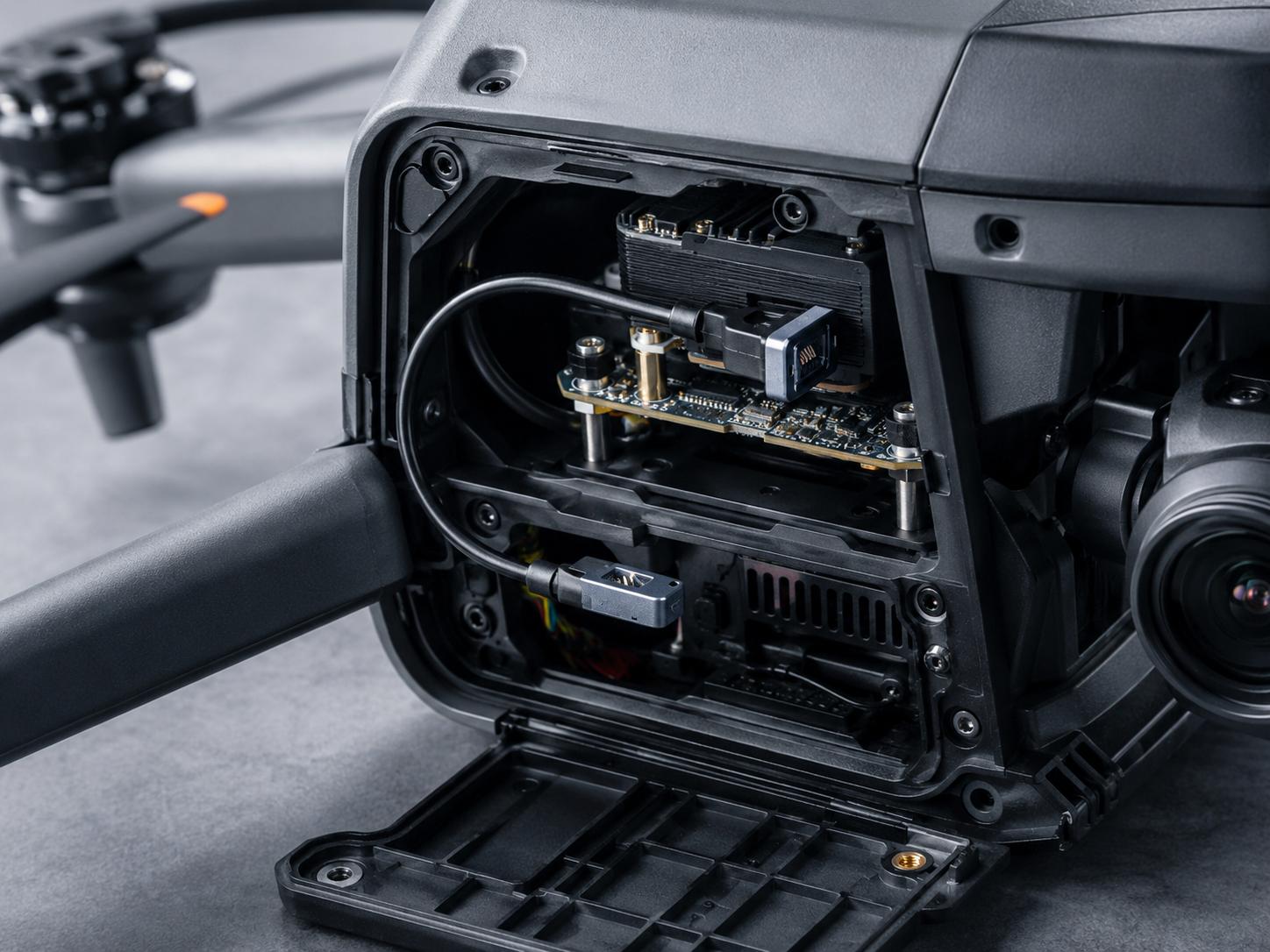
A top-tier drone wiring harness boosts flight safety by managing the small details. People often ignore these details. These include wire materials, plug tightness, shield types, jacket toughness, total length, and charging rules. These exact details decide if the main board gets pure data. They decide if the battery drains safely. They also determine if the drone cable survives heavy shaking. Finally, they ensure the drone charger USB link handles steady power and fast data sharing.
For custom drone wiring harness needs, drone cable designs, and drone charger USB setups, Songyuan wiring harness is ready to help. We support your whole project. We help with material choices and plug matching. We also handle early sample testing and final factory shipping.
FAQ
How much does a custom drone wiring harness cost?
The final price of a custom drone wiring harness relies on many factors. These include the wire size, inner materials, plug style, shield type, total length, outer jacket, and order size. A heavy power line with XT60 or XT90 plugs, soft silicone covers, and thick 12AWG–18AWG wires will cost more. It costs more than a tiny signal line using basic JST-PH plugs. To get a true price, buyers must share their design files and samples. They also need to share power needs, plug names, and the planned order amount.
How do I choose the right drone wiring harness for a flight controller?
To pick the best drone wiring harness for a main board, you must check several details. Confirm the plug style, pin amount, data type, wire length, shield needs, and empty room. Data lines sitting near ESCs or spinning motors need strong shields to block noise. Small plugs like JST-PH, PH, or XH usually fit main boards perfectly. Meanwhile, the power side might need XT30, XT60, or XT90 plugs based on the needed power flow.
Why does a shielded drone cable reduce flight control problems?
A shielded drone cable stops flight problems by guarding weak data from electrical and radio noise. Drone motors, fast ESCs, radio chips, and thick battery lines create heavy noise inside a small shell. Aluminum foil wraps, braided copper nets, or double shields keep the main control data very clean. This lowers the chance of bad steering, messy video, or lost links.


related news
-
How Does a Drone Wiring Harness Improve Flight Control?
-
 How does a drone wiring harness improve drone power efficiency?
-
 What Are the Common Challenges in Cable Harness Assembly?
-
 How Can Drone Wiring Harness Protect Long-Range Signals?
-
 What is an Automotive Wire Harness and How Does It Power Your Vehicle
