

What Are the Common Challenges in Cable Harness Assembly?
Time : June 11, 2026 View : 354
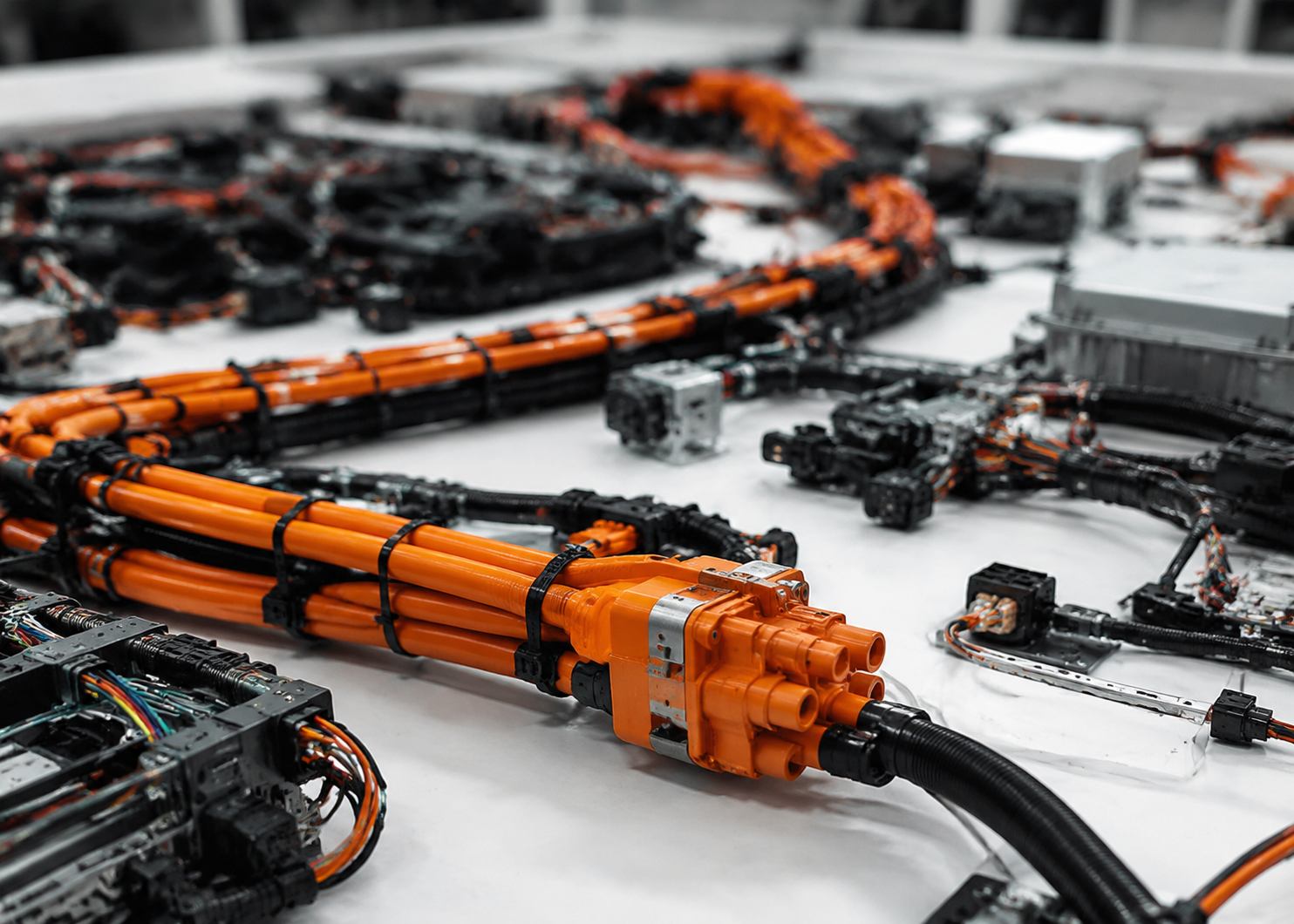
In today’s industrial and medical settings, wire and cable harness assemblies act as the key “nervous system” inside complex machines. They carry tiny millivolt signals inside a diagnostic monitor or move 2000 V DC inside a new-energy car. The reliability of Wire Harnesses directly affects how well the whole system works, how safe it stays, and how long it lasts. Still, the steps that make up cable harness assembly bring several technical problems that can hurt performance and service life.Songyuanwire, with close to ten years of research experience and a 2,000-square-meter modern factory, has built special methods to handle these problems. The sections below look at the main difficulties and show how careful design can fix them.
Overcoming Signal Interference in Assemblies
Shielding Against EMI and RFI
A frequent problem in wire and cable harness assemblies is keeping weak signals safe from electromagnetic and radio-frequency noise. In a busy hospital ICU or a workshop full of large motors, outside signals can twist data and cause equipment to stop working.Songyuanwire solves this issue with 360° full-shield designs. The UL1533 Shielded Electronic Wire uses a layer of tinned copper braid that blocks noise and keeps the signal clean. For higher frequencies, the UL1365 Coaxial Electron Wire keeps a steady impedance and cuts signal loss, which matters for television and recording equipment.
Precision for Medical Diagnostic Waveforms
Medical tools such as the GE ECG machine MAC1200 800 400 2000 wiring harness need clean signals at all times. Any added noise can change the shape of an ECG wave and lead to a wrong reading. Songyuanwire uses high-purity silver-plated copper in these harnesses to lower signal loss. Even small millivolt signals stay clear. Gold-plated connectors are also standard; they stop oxidation and keep good contact during repeated high-frequency use in clinics.
Ensuring Durability in Extreme Environments
High Temperature and Chemical Resilience
Normal PVC insulation, such as UL1007 General Purpose PVC Electronic Wire, works well in home appliances. It can fail, however, when temperatures rise above 80 °C or when chemicals are present. Songyuanwire offers the UL1330 High Temperature Fluoroplastic Electronic Wire for these cases. Its FEP (Teflon) jacket handles heat up to 200 °C and resists acids, bases, and many solvents. This wire is a good fit for electric heaters, generators, and fire-resistant cables used in tall buildings.
Waterproofing and Environmental Sealing
Good sealing in wet or outdoor places is another key task in cable harness assembly. Poor seals allow water to enter, cause rust, and create short circuits. songyuanwire’s M12 Industrial Waterproof Sensor Harness and M16 series multi-core harnesses meet IP67, IP68, and IP69K ratings. The IP69K versions survive high-pressure, high-temperature wash-downs at 80 °C and suit heavy industry or outdoor wind-power systems.
Addressing High-Voltage Safety in New Energy
Managing 2000V DC Systems
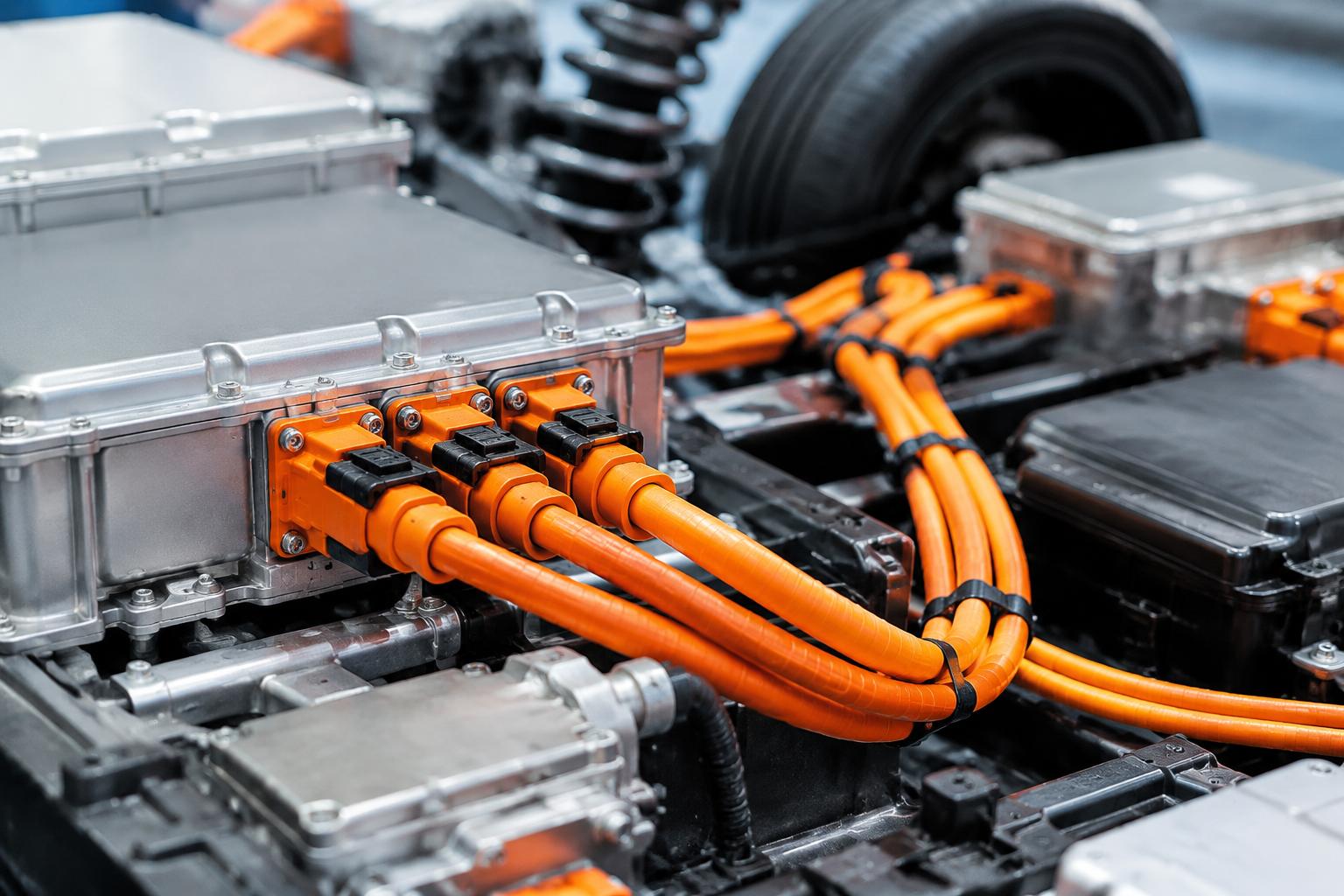
New-energy vehicles need harnesses that handle 600 V to 2000 V DC and currents up to 800 A. Songyuanwire supplies the High-voltage wire and cable assembly for new energy vehicles. It uses large, low-resistance conductors covered by XLPE or TPU jackets and includes vehicle-grade explosion-proof connectors. These parts keep power delivery safe and steady under heavy load.
Critical Data Acquisition for BMS
Battery Management Systems need accurate voltage and temperature readings. The CCS series module from Songyuanwire is built for CATL, BYD, and EVE Energy battery packs. It gives clean data that matches the tight tolerances of modern BMS units. The modules also use irradiation-type electron beams such as UL1571, which resist shrinking during soldering and keep the structure strong in dense layouts.
Managing Mechanical Fatigue and Space Issues
Flexibility for Robotic Joints
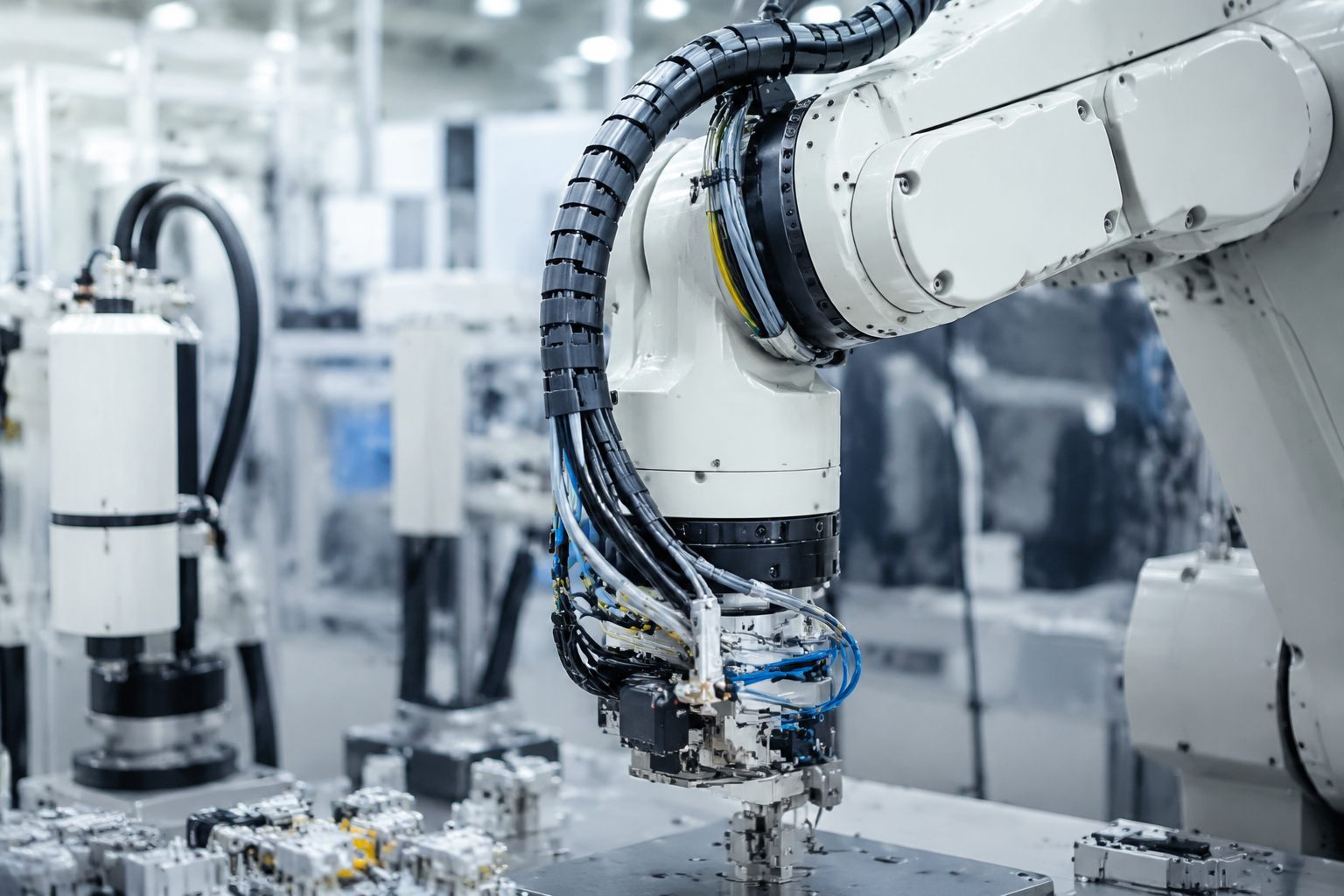
Robot arms and medical probes move all the time. This motion can fatigue wires and cause breaks. Songyuanwire uses extra-soft silicone wire with many fine tinned-copper strands, for example, 1050 strands of 0.08 mm for 10 AWG. The design lasts three to five times longer than standard wire and can pass more than ten million bend cycles in some uses.
Compact Fitting in Micro-Electronics
Smaller devices leave less room for wire and cable harness assemblies. Songyuanwire makes micro-size parts such as Terminal wires for small robots in 28 AWG to 32 AWG. The UL1571 30AWG irradiation-type electron beam has an outer diameter of only 0.81 mm, so it fits into tight spaces while still meeting performance needs.
Streamlining the Customization and Assembly Process
From CAD to 3D Prototyping
Customers often find that off-the-shelf parts do not match their exact needs. Songyuanwire starts with the customer’s CAD files, builds a 3D model of the prototype, and asks for approval before mass production. This step-by-step method gives a close fit for every project, whether it is an automotive engine harness or wiring inside an industrial server.
Factory Direct Sales and Rapid Sampling
Speed matters in product launches. As a direct maker, Songyuanwire keeps low minimum order quantities and offers 24- to 48-hour sampling for standard items. The 2,000-square-meter plant is split into separate areas for wire drawing, extrusion, and final checks. Every batch meets UL, CE, and ISO 13485 requirements.
Conclusion
Solving the many issues in cable harness assembly—signal noise, tough environments, high voltage, and repeated motion—calls for a supplier with solid technical know-how. Songyuanwire brings nearly ten years of research and proven materials such as FEP and high-flex silicone. The result is dependable wire and cable harness assemblies that keep high-end equipment running smoothly for years. Choosing Songyuanwire means investing in a reliable “nerve system” for your machines.
FAQ
Q: How does Songyuanwire ensure signal integrity in high-interference industrial environments?
A: Products like the UL1533 Shielded Electronic Wire and UL1365 Coaxial Electronic Wire use 360° full shielding and double-layer braid to block noise and stop signal distortion.
Q: Can your wire and cable harness assemblies withstand sterilization and medical cleaning?
A: Yes. Medical-grade harnesses such as the Microwave therapy surgical line are made with biocompatible silicone and PU that resist high temperature, high pressure, alcohol, and EO sterilization.
Q: What is the maximum voltage rating for your NEV cable assemblies?
A: The high-voltage assemblies for new energy vehicles handle up to 2000 V DC and currents up to 800 A while meeting automotive safety rules.
Q: Do you offer rapid prototyping for custom cable designs?
A: Yes. Songyuanwire provides factory-direct sales with a 24- to 48-hour sampling cycle for standard parts and uses 3D prototypes to confirm fit before full production.


related news
-
 How to Identify Reliable Drone Wire Suppliers in a Competitive Market?
-
 How to Evaluate a Custom Wire Harness Supplier for Drone Reliability in 2026
-
 How Lightweight Cables Materials Directly Impact UAV Flight Efficiency
-
 Why Aerospace Cable Harness Improves Drone Reliability in Rain and Snow
-
 How to Optimize Electrical Integrity with the Right Charging Cable for Drones in Industrial Applications
