

How Lightweight Cables Materials Directly Impact UAV Flight Efficiency
Time : May 21, 2026 View : 379
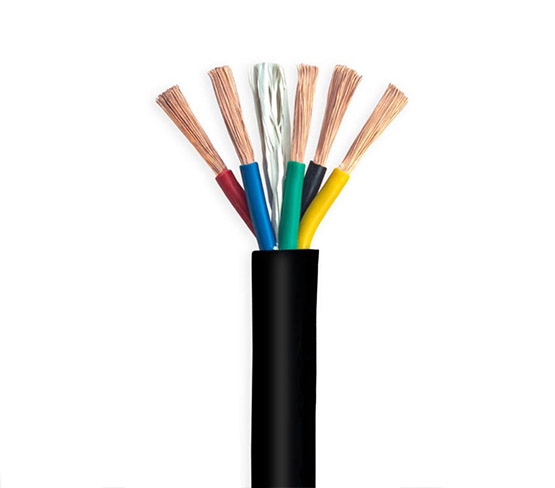
In the quickly growing drone field, each gram of added weight leads directly to shorter flight duration or smaller load ability. Engineers tend to pay close attention to battery power and motor output, yet the inside wiring, which acts as the core system of the device, often quietly harms battery results. For current business and defense UAVs, usual thick cables no longer work well. By adding modern cables materials and plane-level links, makers are able to reshape the working edges of flight in effective ways.
What Makes Cables Materials the Deciding Factor for Drone Flight Time
The rules of flight do not bend: when weight goes up, the power needed to rise grows quickly. Advances in material knowledge have changed the approach from basic thick copper lines to pure silver-covered copper and metal-free mixes. These focused cables materials offer better power flow with only a small part of the heaviness found in regular choices.
Cutting weight happens not only in the main line but also in the covering layer. Options like FEP (Fluorinated Ethylene Propylene) and PFA (Perfluoroalkoxy) permit thinner covers that keep a strong electrical hold and handle very high or low heat. As a result, planners can create slimmer, lighter lines without losing clear signals or a steady power supply. Songyuan wiring harness knowledge from cable manufacturers shows that applying tight small braids and special plastic covers can bring a clear drop in overall bundle weight. This often goes beyond 20% when compared to normal business wiring.
|
Material Type |
Weight Index |
Conductivity |
Temp Resistance |
Typical Application |
|
Standard Copper/PVC |
100% (Base) |
Standard |
-20°C to 80°C |
Consumer Electronics |
|
Silver-Plated Copper/FEP |
75% |
High |
-65°C to 200°C |
UAV Power & Signal |
|
Aerospace Fiber Optic |
15% |
Ultra-High |
-55°C to 125°C |
High-Speed Data Link |
How Does an Aerospace Ethernet Cable Balance High-Speed Data with Low Mass
Today’s UAVs go beyond simple flying cameras. They serve as moving information hubs that need speeds over 1Gbps for instant processing, distance sensors, and computer-guided paths. The main issue is providing this speed without extra thickness. An Aerospace Ethernet Cable handles this by swapping out heavy, many-layer business shields for light, full-cover foil and fine net layers.
These lines get built to keep signal quality despite strong electrical noise from the UAV’s strong motors. With exact twisted pairs and low-waste insulators, these network fixes make sure data moves without delay. This matters a lot for self-guided barrier dodging. The main gain is a simpler design: quicker data flow with less air pull and less overall weight.
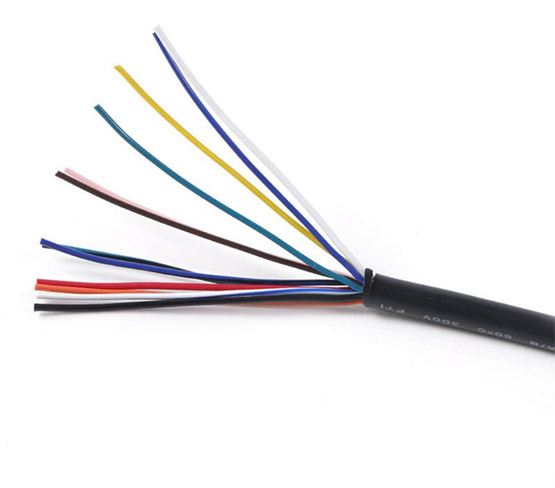
Why is Aerospace Fiber Optic Cable the Future of Long-Range Drone Missions
In missions that last a long time, copper data lines reach a hard limit. Here, an Aerospace Fiber Optic Cable stands out as the best tool for saving weight. Since light carries the data, there is no call for thick metal guards against electrical noise in Drone Cable. One thin fiber line can take the place of several copper sets. This brings a weight cut of up to 80% in the data part of the bundle.
Weight is just one side. Fiber lines also avoid the electrical buzz from high-power UAV drive systems. From our work with clear video sending, like the pure light fiber options used in beauty medical tools and pro audio-video gear, we have noted how these methods reach almost no wait time and speeds over 18Gbps. When used in UAVs, this setup allows a sharp 4K picture sending across far reaches. Such features prove key for finding lost people or exact farm land checks.
- Weight reduction: Up to 80% lighter than copper for equivalent bandwidth.
- EMI Immunity: No interference from motors or radio transmitters.
- Security: Fiber optics do not radiate signals, making them harder to intercept in military applications.
- Distance: Signal degradation is significantly lower over long cable runs within large-wing UAVs.
How to Choose the Right Wiring Strategy to Maximize UAV Payload
To improve a drone’s inside setup, a planned list of points is needed. These go past basic cost per length. Planners should check cables materials:
- Flexibility and Bend Radius: How easily can the cable route through tight airframe spaces?
- Temperature Extremes: Can the cables materials withstand the heat of the motors and the cold of high-altitude flight?
- Weight-per-Meter: A rigorous audit of every centimeter of wire to ensure no unnecessary mass is carried.
A number of makers now shift to mixed fixes. These pair an Aerospace Fiber Optic Cable for fast data with a very light silver-covered copper for power supply. At first, ready-made lines might look cheap. However, they usually do not meet the strict shake and weight needs of the 2026 drone types. Made-to-order wire bundles are turning into the common choice. They make sure each link and each bit of guard fits the exact task needs of the flying machine.
Conclusion
The path ahead for UAV output ties closely to the stuff used in its build. Putting money into top-quality cables materials is more than a build pick. It is a planned move that boosts work returns by lengthening flight spans and allowing smarter loads. As the field heads to more self-run and far-reaching tasks, the core system of the drone, based on an Aerospace Ethernet Cable and light fiber tech, will set top-output devices apart from others.
FAQ
What is the lead time for custom Songyuan wiring harness drone solutions
Our usual making period for made-to-fit UAV bundles lasts from 2 to 4 weeks. This depends on how complex the materials are and the exact test needs. For quick plane-level work, we give a fast sample service. It helps buyers hit short build times for 2026 drone types.
Why use Aerospace Fiber Optic Cable instead of standard copper for UAV project
Regular copper lines face electrical noise from drone motors. They also lose strength over longer paths. An Aerospace Fiber Optic Cable guarantees no-loss, clear video sending. It avoids all electrical mix-ups and cuts the talk system weight by up to 80% at the same time.
Can an Aerospace Ethernet Cable withstand high-vibration environments in industrial drones
Yes, these lines get made with bendable main parts and shake-proof links. Unlike basic office network cables, an Aerospace Ethernet Cable uses special outer layers and exact end methods. These keep data paths steady under heavy pull and shake common in big-carry business UAVs.
How do different cables materials affect the overall cost of a UAV project
Advanced options like silver-covered copper or PFA covers cost more per length at the start. Yet, they lower their own cost. By cutting weight a lot, these cables materials lengthen battery use and raise load space. This lets the drone do more per flight round, which raises the long-run return for the user.
Does Songyuan wiring harness provide certification for aerospace-grade cables
We stick to strict quality checks. Our items can get made to match various world safety and output marks, including RoHS and CE. For certain plane or defense needs, we supply full material info sheets and test outcome reports. These confirm a full match to your work’s build rules.
To improve your next UAV work with the newest in plane-level wire bundle tech, visit Songyuan at www.songyuanwire.com.


related news
-
 How to Optimize Electrical Integrity with the Right Charging Cable for Drones in Industrial Applications
-
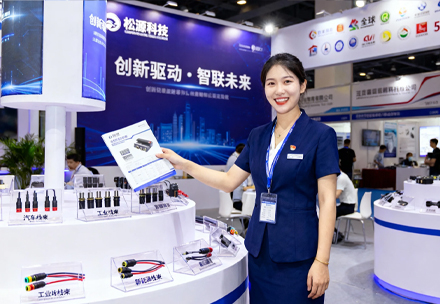 Songyuan Technology Shines at NCH2025 Shanghai International New Energy Connector and Wire Harness Processing Technology Exhibition, Following the Trend of Technological Innovation in the Industry
-
 Songyuan Wire Harnesses partners with CNW Electronics Pte Ltd, a leading wire harness company in Singapore, to officially enter the overseas wire harness market in Southeast Asia.
-
How Lightweight Cables Materials Directly Impact UAV Flight Efficiency
-
 How to Evaluate a Custom Wire Harness Supplier for Drone Reliability in 2026
