

How to Optimize Electrical Integrity with the Right Charging Cable for Drones in Industrial Applications
Time : May 07, 2026 View : 307
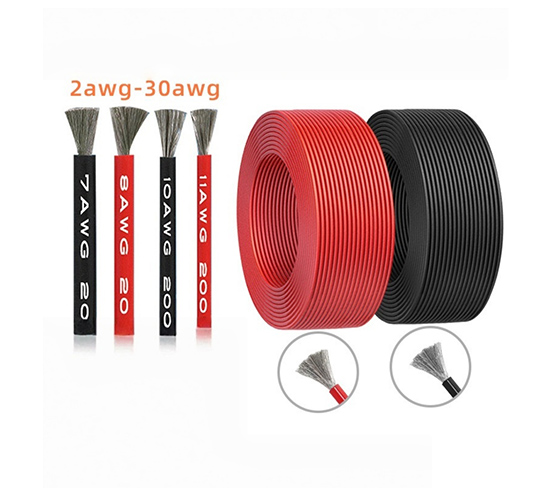
In industrial drone tasks, such as checking infrastructure or farming with precision, the gap between a smooth operation and an expensive power issue often depends on the strength of your connections. Hobby users may ignore details about their wiring. Professionals know that basic consumer cables often break down in tough industrial settings. By partnering with a specialized electronic wires manufacturer,Problems like strong shaking, wide temperature changes, and electromagnetic interference (EMI) can harm a group’s ability to work. Building solid “Electrical Integrity” with top-quality drone battery cables and special charging options is more than a tech choice. It becomes a key mechanical need for round-the-clock vital performance.
Why Electrical Integrity Matters for Industrial Drones
Electrical integrity means the power or signal moves through a circuit with little change or loss. For a charging cable for a drone, this quality keeps the power to the flight controller and battery management system (BMS) steady and clear.
Voltage drops pose a main worry in outdoor work. A poor drone battery cable has high inner resistance. This leads to ups and downs that might hurt delicate flight controllers or give wrong battery readings. Data precision relies a lot on the protection of your drone’s USB cable. Without good shielding, EMI from powerful motors can mess up fast data moves during outdoor tasks. Operators can cut long-term repair costs by as much as 70% with strong industrial materials like FEP or PFA. These polymers offer better resistance to wear and steady chemical properties than regular PVC.
Key Specifications for an Industrial Drone Battery Cable
To reach top results, the inside design of a drone battery cable needs to handle high current flow and heat endurance. The choice of conductor and covering material shapes how the cable deals with quick charging and ongoing release cycles.For large-scale deployments, sourcing from reliable electrical cable wholesalers ensures consistent material quality across all units.
Material Comparison for Drone Wiring Solutions
|
Property |
Silicone Rubber |
PTFE (Teflon) |
PVC(Polyvinyl Chloride) |
|
Temperature Range |
-60°C to +200°C |
-100°C to +250°C |
-20°C to +80°C |
|
Chemical Resistance |
Moderate |
Excellent (Acid/Alkali) |
Poor |
|
Flexibility |
Ultra-High (Soft) |
High (Tough) |
Moderate |
|
Abrasion Resistance |
Moderate |
Superior |
Low |
|
Dielectric Constant |
3.0 – 3.5 |
2.1 |
4.0 – 8.0 |
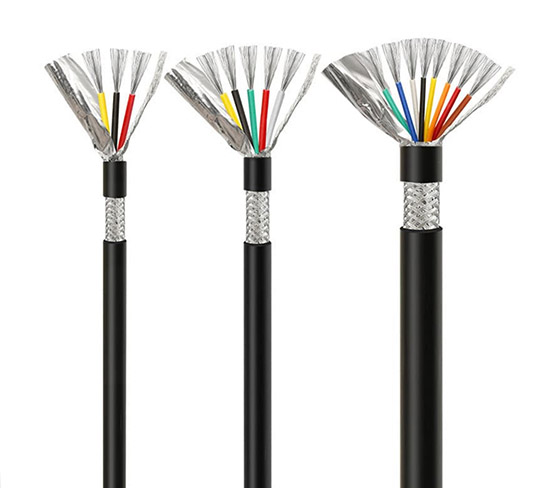
Strong conductors form the base of electrical integrity. Using pure oxygen-free copper or silver-coated copper helps cut signal loss and heat buildup. A charging cable for a drone must manage high power levels. These materials make sure energy goes to battery storage instead of being lost as heat. Good shielding design matters too. It often uses two layers of aluminum foil plus woven mesh. This setup blocks AC noise and keeps the transmission without loss.
Choosing the Right Drone USB Cable for Field Data Missions
Outdoor data tasks need more than power alone. They call for quick syncing and solid build quality. When picking a drone USB cable, check the protocol fit first. New industrial drones commonly use Power Delivery (PD) rules for 65W to 100W quick charging.
Connection strength counts just as much. In damp outside spots, rust can soon weaken the join points of a drone USB cable. Tough versions use gold-covered ends with 5~15μm thickness. These stop rust and allow many plug-ins. Type-C ports often handle up to 10,000 uses. For tight gimbal links with ongoing motion, very flexible silicone wires work best. They resist wear from bending and stay pliable.
Industrial Standards for Drone Cable Compliance
Safety and toughness in drone work follow global rules that exceed simple use. A solid charging cable for a drone should meet these points.Whether it is a high-power battery lead or a specialized drone usb cable for data syncing, the following standards are critical.
- Environmental Durability: IP67 or IP68 water resistance fits all-weather tasks. It guards the drone battery cable from water entry in rain or damp air during flights.
- Safety Certifications: Seek UL 94V0 fire resistance. The cable cover will stop burning if the heat runs wild. Global marks like CE, RoHS, and FCC remain essential for pro gear.
- BMS Integration: Data lines in a drone battery cable help with “Quadruple Protection.” They watch for too much charge, low power, high heat, and extra current. Real-time info goes back to the user to avoid major battery breakdowns.
Technical Case Study: Songyuan High-Durability Solutions
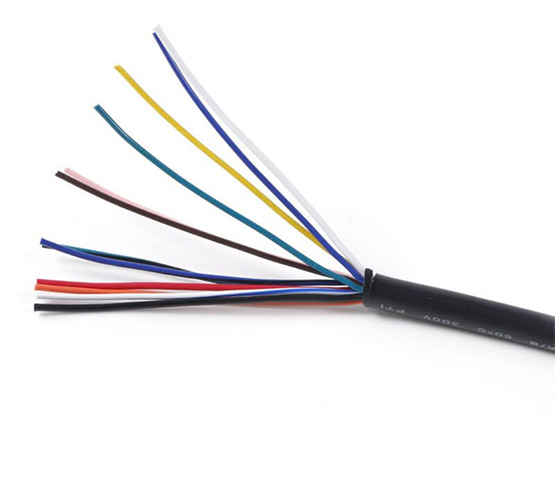
Our tests on strong wire setups show that careful design boosts the life of industrial drones. Songyuan proves this with silver-coated copper conductors and PFA covering. Drones in harsh -40°C spots keep even charging speeds. Standard cables turn stiff and stop working there. Such custom work fits tasks with costly gear and key info.
Conclusion
Picking the proper charging cable for a drone goes beyond buying. It acts as a smart step for group dependability. By focusing on electrical integrity with quality drone battery cables and drone USB cables, groups keep work running smoothly. They avoid field stresses from weather and power issues. Pure conductors, strong shielding, and firm approvals build the core of a working industrial drone setup.
Groups wanting tailored industrial wire harness options, from tough YQ cables to strong BMS sampling lines, can turn to Songyuan Technology. It offers the skill and builds accuracy for today’s tough sky tasks.
FAQ
Q: What is the benefit of using a Songyuan drone battery cable over a standard cable?
A: Songyuan builds its drone battery cable with tough materials like FEP and PFA. These give a broader heat range from -40°C to +125°C and better resistance to chemicals. The drone holds steady power and safety in key tasks. Consumer cables could soften or crack there.
Q: How does a high-quality charging cable for a drone improve battery lifespan?
A: A top charging cable for a drone cuts down on voltage drops and lowers heat during charge time. It delivers even power flow. This keeps the Battery Management System (BMS) from sending wrong alerts. The battery charges well and is safe. That stretches the cell life over many uses.
Q: Why is shielding important in a drone USB cable for industrial use?
A: Industrial spots have electromagnetic interference (EMI) from motors and outside sensors. This can break data flow. A drone USB cable with two-layer shielding uses aluminum foil and woven mesh. It guards the data path. Fast 10Gbps sends stay clear and without mistakes in outdoor data work.
Q: Can a drone battery cable affect flight safety?
A: Yes, the drone battery cable handles the “Quadruple Protection” info loop. If it fails to send exact data on high heat or extra current to the flight controller, the drone might miss safety steps like emergency landing. That risks gear damage.
Q: What should I look for in a charging cable for a drone used in humid environments?
A: In wet or sea areas, pick a charging cable for a drone with gold-covered ends at 5~15μm thick and IP67/IP68 water rating. These blocks rust and wear at the join. They hold a firm power link even with salt mist or heavy dampness.


related news
-
 Songyuan Technology Shines at NCH2025 Shanghai International New Energy Connector and Wire Harness Processing Technology Exhibition, Following the Trend of Technological Innovation in the Industry
-
 Songyuan Wire Harnesses partners with CNW Electronics Pte Ltd, a leading wire harness company in Singapore, to officially enter the overseas wire harness market in Southeast Asia.
-
 How to Improve Wire Harness Dependability and What to Look for in the Metal Used in Electric Wires?
-
 What is a Cable Harness and Why is it Essential for Modern Electronics?
-
How to Optimize Electrical Integrity with the Right Charging Cable for Drones in Industrial Applications
