
Why Robot Vacuum Harnesses Fail at Moving Joints
Time : October 07, 2026 View : 123
A robot vacuum can complete most of its navigation correctly and still stop because one short internal lead loses contact at a moving point. The useful design question is not whether the cable looks flexible on day one. It is whether the conductor, terminal, route, and strain relief share movement predictably over repeated cleaning cycles.
The Moving Joint Is the Real Design Boundary
A robot vacuum wire harness normally works in a compact path between the battery, motor, sensors, and control board. At a wheel module, brush drive, or articulated cover, that path changes shape each time the device runs or is serviced. The moving portion needs a deliberate flex zone, not merely extra slack packed into the housing.
Flex life depends on where the bend is allowed to happen
A lead survives repeated motion when its bend happens over a controlled length instead of at one sharp exit. If a clip or rigid sleeve ends at the terminal, the first exposed millimeters may receive almost all of the motion. Moving the transition away from the contact point is often more valuable than adding a thicker jacket.
Small terminals need calm, repeatable loading
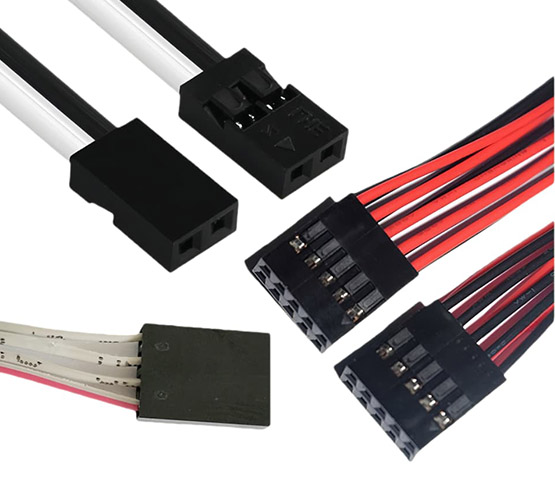
Compact JST, PH, XH, VH, or comparable interfaces save space, but they also make routing discipline more important. The terminal should not become the stop that limits movement. A robot harness should arrive at the board or motor with enough controlled length that insertion, removal, and normal motion do not pull on the crimp.
|
Location |
What changes during use |
Design response |
|
Drive-wheel module |
Wheel travel and vibration |
Define a flex zone and secure the branch before the terminal exit |
|
Brush or fan motor |
Rotation-related vibration |
Match conductor size to load and protect against rubbing |
|
Lid or service cover |
Opening and reassembly |
Use a route that cannot be trapped by the closure path |
|
Control-board entry |
Assembly handling |
Keep strain relief outside the connector engagement area |
A Compact Harness Still Needs a Route
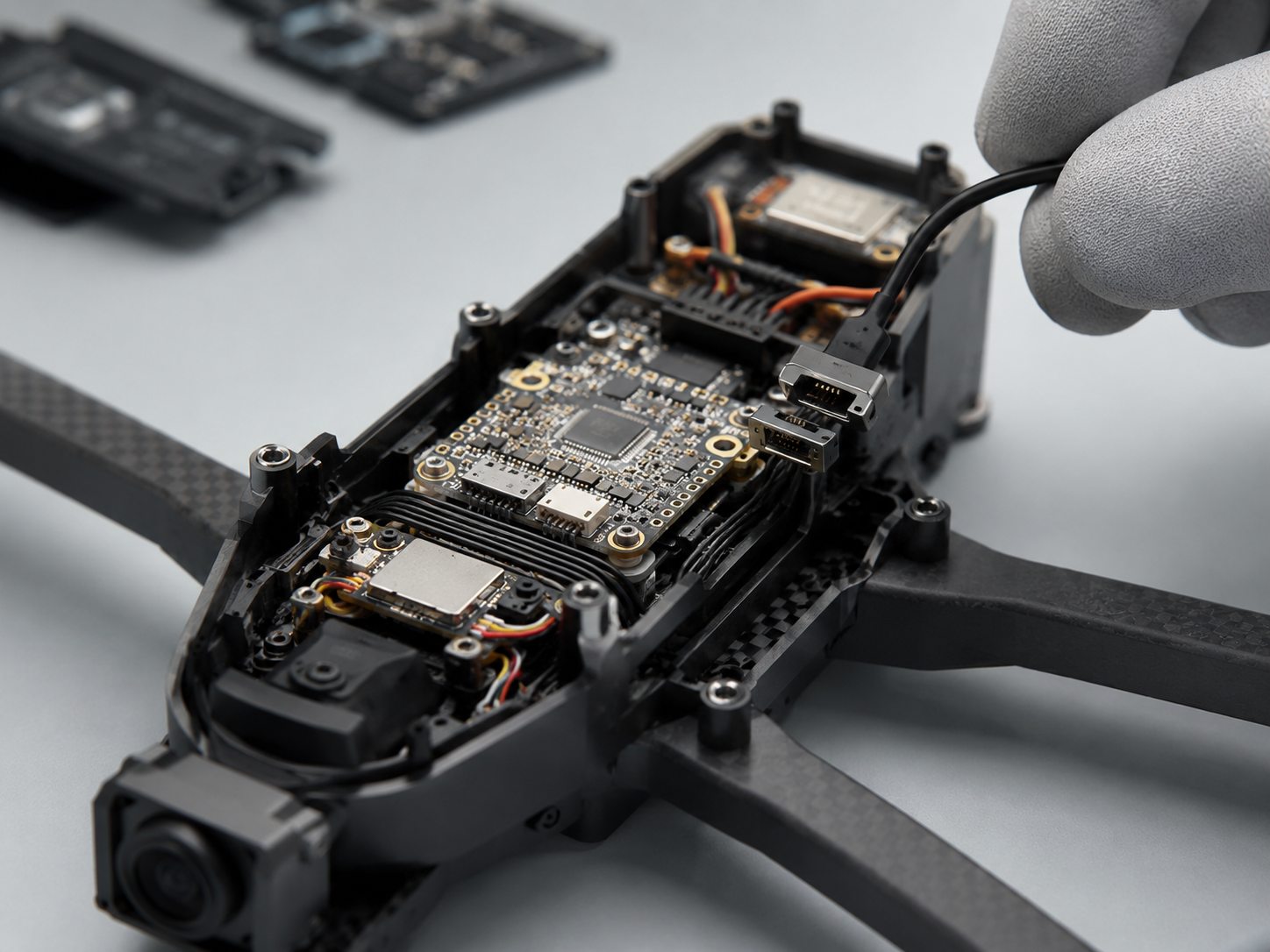
A robotic wire harness assembly becomes more reliable when every short branch has a reason for its length and direction. The designer should trace the service cover, wheel travel, screw bosses, and edge clearances before finalizing terminals. This finds pinch points that are easy to miss in an electrical diagram and expensive to discover in use.
UN smart appliance wire harness should also leave a clear assembly path around clips and fasteners. That extra planning prevents a short internal lead from being trapped when a compact housing is closed or opened for service.
- Give a moving lead one intentional bend zone instead of several uncontrolled turns.
- Keep the first flex point away from a crimp, connector latch, soldered board pad, or sharp housing edge.
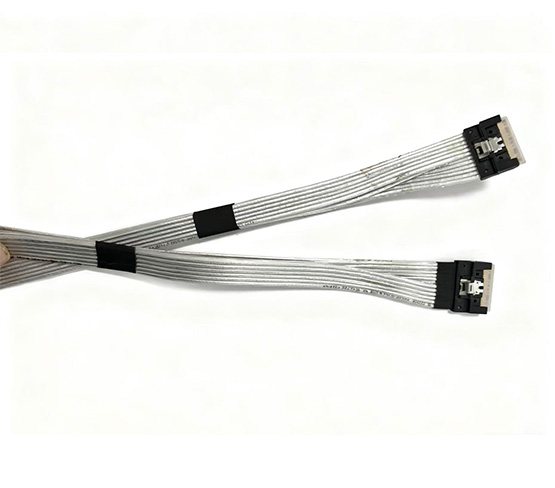
- Use color or printed identification where several small branches can be confused during assembly or repair.
- Check the route with the lid, wheel, and brush module in every operating and service position.
Conductor, Sheath, and Terminal Must Match the Motion
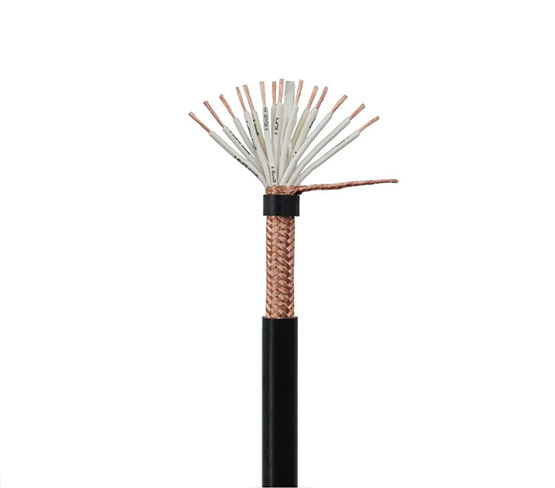
A vacuum wire harness cannot be chosen from wire gauge alone. Fine, multi-core constructions help in compact moving paths, while the sheath must stay supple enough for the expected bend. The terminal family, however, must also fit the motor, sensor, or board interface without relying on the cable itself to hold the connection in place.
The problem becomes clearer when the same assembly carries both motor power and sensor signals. Current, branch count, and space constraints may differ, but the route must prevent rubbing and allow the contact system to remain unloaded. Separating the functional needs first avoids forcing a one-size lead into two different motion problems.
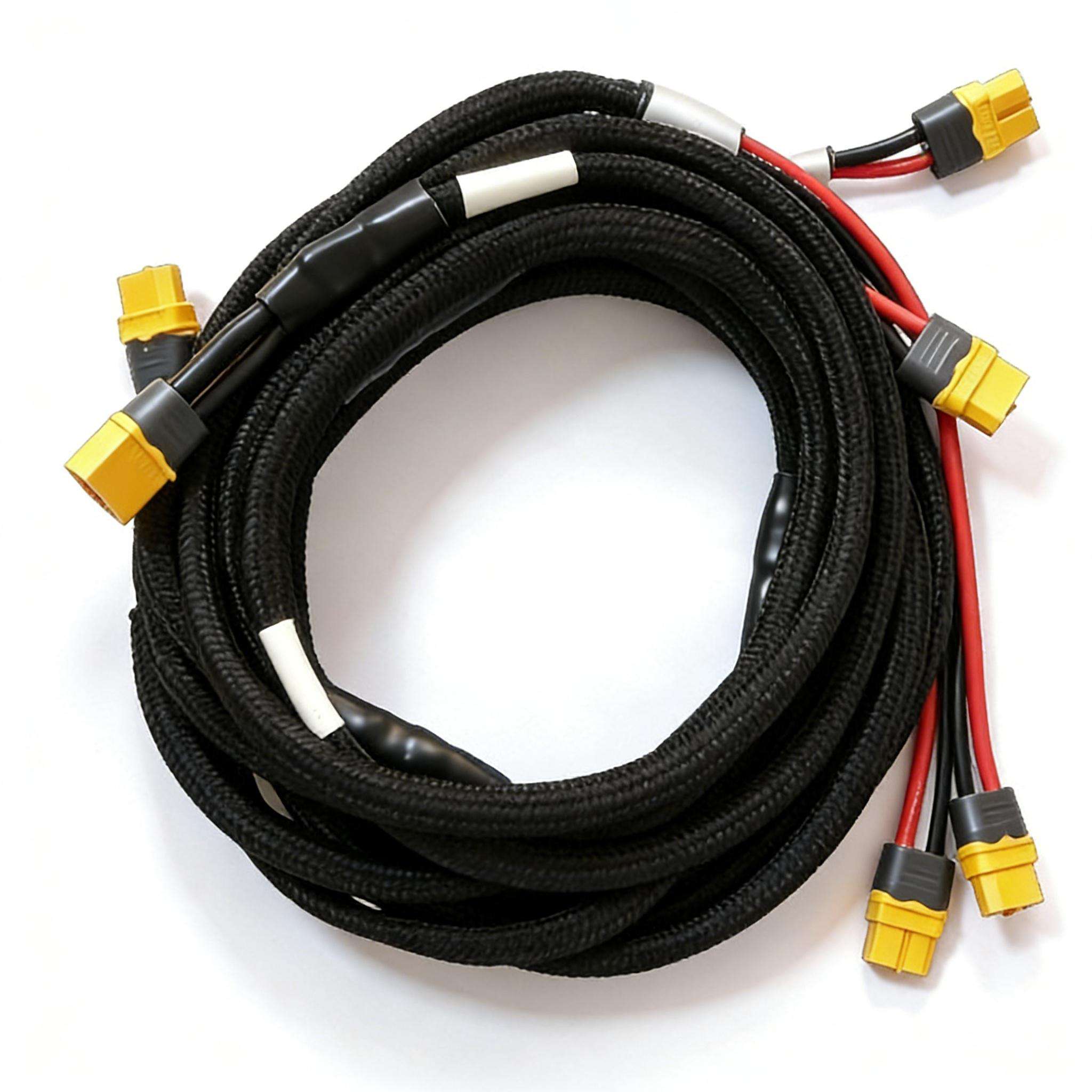
For compact robot applications, a robot vacuum wire harness can use miniature terminals and adjustable short branch lengths when the installation path is understood. Songyuan’s small-robot terminal-wire range is relevant here because it supports robot motors, sensors, and board interfaces without treating every internal connection as identical.
Motor Connections Deserve Their Own Check
Motor leads see load changes and vibration even when the robot body appears still. A motor terminal wire needs an appropriate terminal size, conductor cross-section, and restrained approach to the motor or drive module. Those choices reduce the chance that normal movement becomes a repeated pull on the contact.
A cleaning robot wiring harness may also need local protection where a branch passes close to a wheel, brush chamber, or service edge. The goal is not to add material everywhere. It is to place protection where contact or motion is genuinely expected, while preserving the bend zone that keeps the lead from concentrating fatigue.
The Practical Takeaway
Reliable robot vacuum harnesses are designed around movement, not around an empty housing. Identify which parts travel, define where each lead may bend, and keep terminals outside that working bend. Once that physical path is clear, conductor, sheath, terminal, and protective details can support the same goal: stable connection through many ordinary cycles.
FAQ
Why do robot vacuum leads break near connectors?
The connector exit often becomes the bend point when the nearby branch is too short, too rigid, or unsupported. Moving the flex zone away from the crimp and adding suitable strain relief reduces that concentrated loading.
Can a thicker cable solve robot-harness fatigue?
Not by itself. A thicker cable can be less willing to bend in a compact path. The better choice depends on the current requirement, available bend length, sheath behavior, and where the lead is restrained.
Which terminal families suit compact robot assemblies?
JST, PH, XH, VH, Molex, and comparable miniature terminals can suit compact interfaces when the mating part, current, pin count, and mechanical retention are verified for the specific module.
How can an OEM test a robot vacuum cable assembly route?
Cycle the wheel, brush, lid, and service positions while observing the branch path. Look for pinching, rubbing, forced bends, and any point where the connector or crimp begins to carry motion.
When is shielding useful in a smart appliance wire harness?
Shielding can be useful for signal paths exposed to electrical noise, but it should be selected for the actual signal and grounding scheme. It is not a substitute for a controlled flex path or a sound terminal connection.