

How to Improve Wire Harness Dependability and What to Look for in the Metal Used in Electric Wires?
Time : April 23, 2026 View : 47
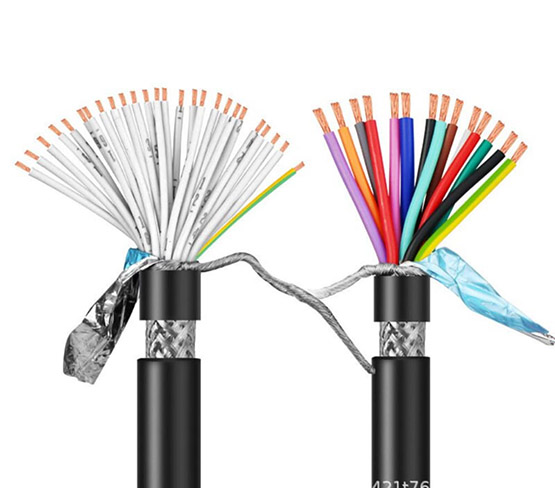
The dependability of any full electrical setup usually depends on a part that stays out of sight under thick layers of covering: the conductor. For buyers in fields like industry, healthcare, and aviation seeking a reliable custom wire harness, grasping the detailed aspects of the metal used in wires goes beyond just meeting rules.It acts as a key protection against device breakdowns and risks to safety. Choosing top-notch materials ensures strong electrical flow, heat resistance, and lasting strength over time.
What is the Primary Metal Used in Electric Wires and Why Does Purity Matter?
Copper still holds the top spot for electrical flow in current production. Yet, every type of copper does not match in quality. When checking the metal used in electric wires, the level of cleanliness and the amount of oxygen play a big role in how well it works. Oxygen-free high-conductivity (OFHC) copper stands out for exact tools. It gives better electrical and heat flow than regular electrolytic tough pitch (ETP) copper.
Apart from plain copper, different mixes and covers come into play to boost certain physical traits. Tinned copper means adding a slim coat of tin over the copper threads. This stops rust and makes joining with solder easier. In advanced uses, silver-plated copper comes in for its great performance with skin effect at fast frequencies.
How Do You Compare the Technical Specifications of Common Conductors?
To reach a smart buying choice, you need to look at how various metal kinds hold up under close technical review. The table below lists the main details for the usual types of metal commonly used in electrical wires.
|
Feature |
Tinned Copper |
Silver-Plated Copper |
Bare Copper (OFC) |
Aluminum (CCA) |
|
Conductivity (IACS) |
95% – 98% |
102% – 106% |
100% – 101% |
61% – 65% |
|
Oxidation Resistance |
Excellent |
Outstanding |
Moderate |
Poor |
|
Solderability |
Very High |
High |
Moderate |
Low |
|
Typical Application |
Industrial Control |
Medical/Aerospace |
General Purpose |
Low-cost Consumer |
|
Cost Factor |
Moderate |
High |
Standard |
Low |
What are the Critical Factors Influencing Your Choice of Metal Used in Wires?
When getting parts for tricky systems, the surroundings decide which metal commonly used in electrical wires will last the longest. Things like the surrounding heat, contact with harsh chemicals, and physical strain in a vehicle wiring harness all come into account.
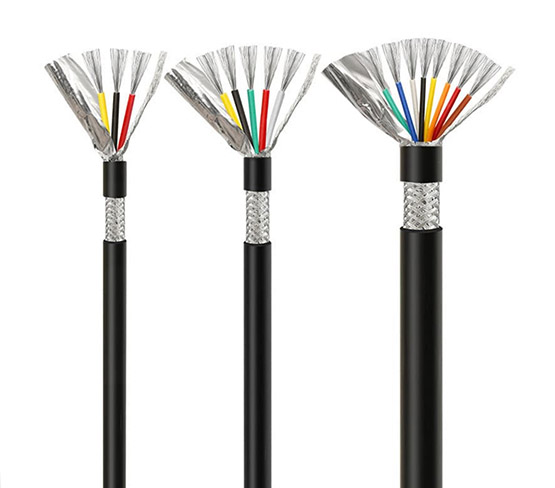
- Heat tolerance: Places with high heat need conductors that keep their shape. Copper holds up well. Still, the cover, like nickel or silver, stops the inside from breaking down above 200°C.
- Signal accuracy: In healthcare scans and data links, the cleanliness of the metal used in wires affects the signal quality against noise. Metals with less purity add resistance. This causes lost data or twisted signals.
- Bend needs: For robots or portable healthcare tools, the metal used in electric wires must be very thin threads. Thin-stranded copper allows a tight bend. It also avoids wear from repeated moves.
Why is Signal Stability Essential in High-Precision Applications?
From my time handling tech setups in medical checks, I have seen how picking materials shapes patient results. One clear case shows wiring bundles in Electrocardiogram (ECG) machines, like the MAC1200 models.
The main issue in picking up ECG signals is the very weak voltage from heartbeats. These get lost in electrical noise. Using clean silver-plated copper as the primary metal used in wires lets the system send mV-level signals without loss. Strong shielding adds to this by blocking 50Hz power hum and muscle noise. Lacking this exact grade of metal used in electric wires would make clear heart checks impossible. Songyuan offers these special medical-grade options. They make sure the conductor meets tough ISO 13485 rules.
How to Verify Quality During a Factory Inspection?
Spotting the quality of the metal commonly used in electrical wires takes more than looking at it. Weak makers often pick Copper-Clad Aluminum (CCA). It seems like copper, but it shows much higher resistance and less pull strength.
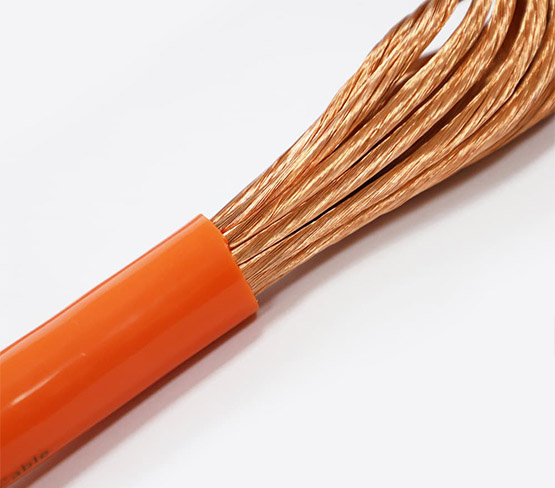
- Flow resistance check: Take a small-ohm meter to gauge resistance per length. The top metal used in electric wires always hits or beats the IACS (International Annealed Copper Standard).
- Cover evenness review: For wires with tin or silver coats, the layer must stay uniform. Any bare copper spots lead to spot rust. This creates a “black wire”look that harms links over time.
- Pull strength trial: Good metal used in wiresgoes through stretch tests. Pure copper bends well. If a wire breaks fast under pull, it probably has dirt or reused scrap.
- Material reports (MTR): Always askfor papers that track the metal commonly used in electrical wires to the first metal plant. They confirm the makeup and cleanliness levels.
What is the Impact of Insulation Pairing with Conductor Metals?
How well the metal used in wires performs is often held back by its outer cover. For example, matching clean copper with cheap PVC in hot spots leads to big problems.
- Fluoropolymer match: FEP and PFA covers work best with silver-plated copper. They take the same high heat without releasing gases. Those gases could eat away at the metal used in electric wires.
- Healthcare silicone: In operating rooms, silicone gives the bend needed for the metal commonly used in electrical wires. It also stands up to strong cleaners in wash processes.
- Shield setup: How well a shield works relies on the metal used in the wires in the weave. A tin-covered copper weave with over 95% wrap blocks electrical noise in factory machines.
Conclusion
Picking the metal used in wires marks the key step in buying electrical parts. This holds true whether facing fast signals in beauty treatments or tough needs in power storage. The cleanliness and cover of the metal used in electric wires set the safety and smooth running of the end item. Sticking to clean conductors and strict tests helps firms skip the unseen costs of breakdowns and fixes. Putting money into fine metal commonly used in electrical wires is not just spending. It shows a pledge to strong work and top results.
FAQ
Q: What is the average lifespan of a Songyuan cable harness in a medical environment?
A: Songyuan builds a fine cable harness for long use. It often has gold-covered links with plug and pull life over 1,000 times. Health-grade silicone or PU covers resist alcohol, iodine, and EO cleaning. They stay working through the full planned life of the health machine.
Q: How does a cable wire harness prevent electromagnetic interference in industrial settings?
A: A fitted cable wire harness fights electrical noise with a many-layer shield build. It mixes aluminum wrap and tin-covered copper net with at least 98% cover. This setup makes a Faraday box outcome. It guards inside signals from outside electronic buzz and keeps data send steady.
Q: Why should I choose a custom electrical cable harness over individual wires?
A: A fitted electrical cable harness makes placement easier and lowers the risk of wiring mistakes. Grouped packs handle better, use less room, and guard against rub wear more than loose single wires. It builds a steadier setup with smaller fix needs over time.
Q: Can a cable harness be made waterproof for outdoor or medical use?
A: An electrical cable harness can be built to hit set water entry levels, like IPX6. Waterproof links and special seal ways in the mold-over step let it withstand strong water sprays and body sweat rust. It fits well for health and tough factory jobs.
Q: What materials are best for a high-temperature cable wire harness?
A: Spots with high heat or chemical touch need a cable wire harness using FEP (Fluorinated Ethylene Propylene) or PFA (Perfluoroalkoxy) for covering. These supplies keep their pull traits and power block work at way higher heat than plain PVC. They make sure the full electrical setup stays safe.
For skilled help in planning your next strong cable harness, or to check our line of ISO-checked electrical cable harness answers, reach the build team at Songyuan Technology now. We commit to giving you the tech know-how and steady work needed for your key factory tasks.


