

What Is a Medical Wire Harness?
Time : August 13, 2026 View : 291
Introdução
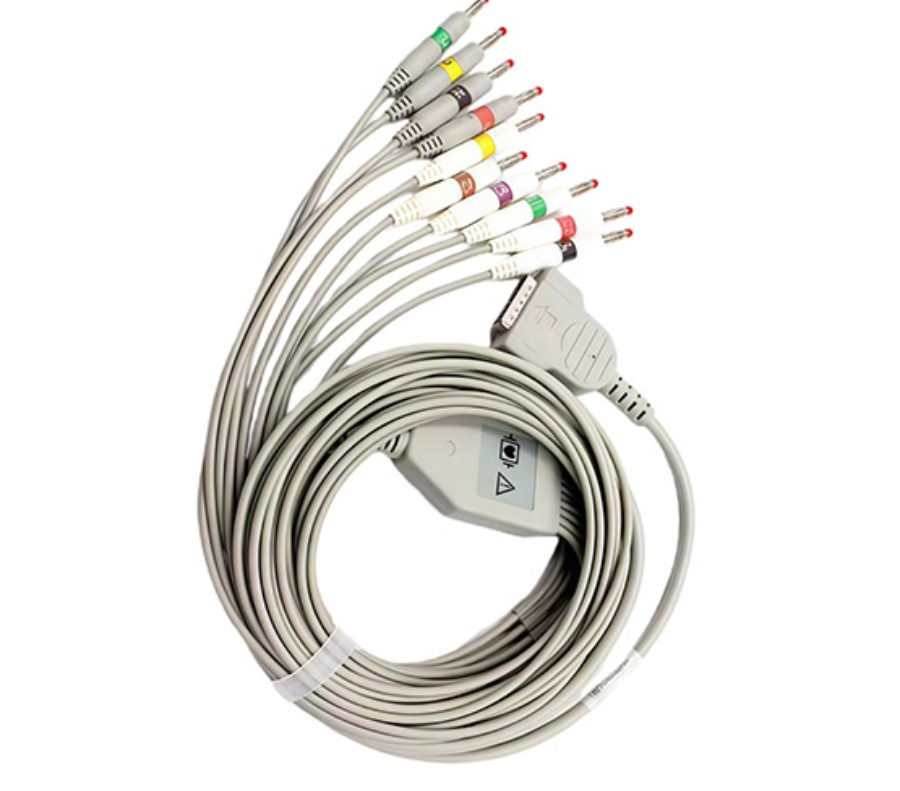
If a cable must carry power, signals, or data inside medical equipment, its design cannot start with a catalog part number. The short answer to what is a medical wiring harness is a controlled set of wires, terminals, connectors, protection, labels, and routing features built for one device and its intended use. A medical wire harness becomes a dependable medical cable assembly only when electrical, mechanical, cleaning, and documentation requirements are defined together.
What Makes a Medical Harness Different?
The medical wire harness helps to arrange conductors and interfaces so that the device is able to transfer power and communicate using signals without any unnecessary hazards related to its assembly or maintenance. The wire harness can be used to link different devices, including monitors, sensors, motors, batteries, displays, or other external components.
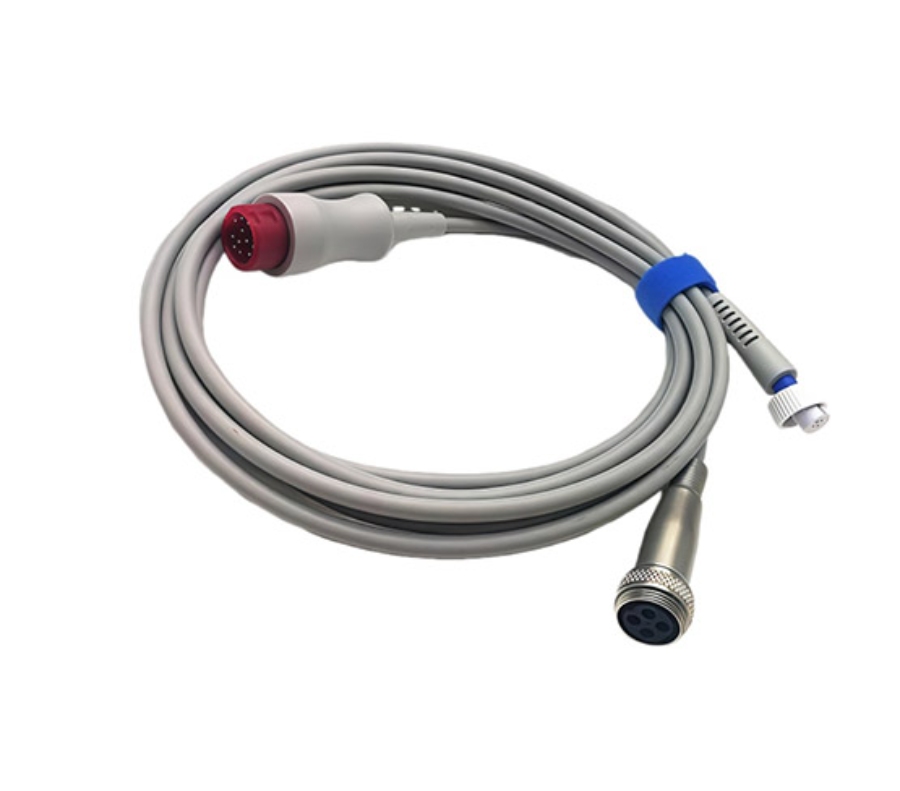
The practical answer to what is a medical wiring harness depends on the device architecture. A patient-monitor lead, internal low-voltage loom, waterproof adapter, and video link face different loads, motion, interference, contact, and cleaning conditions. Buyers should therefore define the intended function first, then translate that function into measurable acceptance criteria instead of asking for a generic medical-grade cable.
One assembly can serve several functions
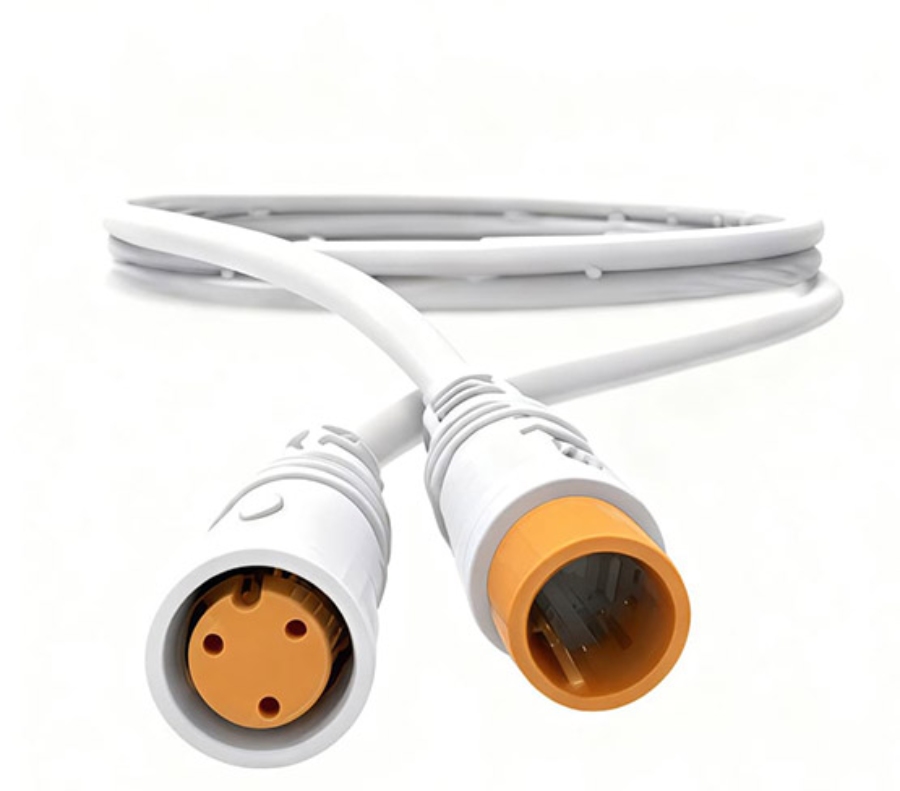
A medical cable assembly can combine power cores, signal pairs, data conductors, shielding, drain wires, and grounding in one build. Songyuan wiring harness’s range includes customizable ribbon cables for medical equipment, low-voltage UL1571 electronic wire, several shielding structures, and waterproof medical adapter options. A custom wire harness can use only the needed elements, keeping the drawing, bill of materials, and inspection plan aligned with the real risk.
Compliance follows intended use
Standards do not make every harness identical. IEC 60601-1 covers basic safety and essential performance of medical electrical equipment; collateral or particular standards can modify device-type requirements. ISO 10993-1:2025 addresses biological safety within risk management when tissue contact makes it relevant. ISO 13485:2016 remains current as a quality-management framework. Buyers should confirm the requirements that apply to the complete device and the supplier’s scope.
Which Specifications Should Buyers Define?
A useful specification converts the device use case into values that engineering, purchasing, and quality teams can verify. The comparison below helps medical cable assembly manufacturers select supported conductor, insulation, sheath, and shielding options without guessing.
|
Option |
Use when |
Trade-off or limit |
RFQ field |
|
Bare, tinned, or silver-plated copper |
Match conductivity, soldering, corrosion, and temperature needs |
Plating does not determine wire size or current capacity |
Conductor type, AWG, stranding, plating, and resistance limit |
|
PVC, PE, FEP, or PFA insulation |
Match voltage, temperature, processing, and chemical exposure |
Flexibility, heat performance, diameter, and cost vary by grade |
Material grade, wall, OD, temperature, dielectric test, and cleaning exposure |
|
Silicone or PU sheath |
Use when the qualified grade suits motion and cleaning |
Softness, abrasion behavior, diameter, and processing differ |
Grade, hardness, OD, bend requirement, cleaning method, and contact category |
|
Foil, braid, or double shielding |
Control interference according to frequency, motion, and grounding |
Added layers increase diameter and require controlled termination |
Coverage, drain wire, termination, grounding, and system EMC test |
Acceptance limits should come from the device risk analysis. Shielding must reflect the noise source, frequency, grounding, geometry, and termination; braid or foil alone may not solve interference. A material labeled medical grade also does not establish compatibility with the actual contact category or cleaning process.
What Quality Controls Reduce Project Risk?
Control the drawing before production
Drawing control is the first manufacturing control. Songyuan wiring harness’s chicote de fios personalizado process begins with customer CAD, moves through a 3D prototype and quotation, then proceeds to samples and inspections. The approved drawing should identify each conductor, terminal, splice, shield termination, label, dimension, tolerance, and revision so the sample becomes a controlled baseline.
Match tests to the failure modes
Verification should prove the functions and risks defined by the device team. A medical wire harness inspection plan may include visual workmanship, dimensional checks, continuity, pin mapping, insulation or dielectric tests, resistance limits, shield checks, retention tests, flex tests, and cleaning exposure. Not every test belongs on every assembly, so the drawing and acceptance plan must state the method, sample size, limit, and record required.
*Approve the first article against the released drawing.
*Keep material and terminal lot traceability where the risk plan requires it.
*Record tooling, crimp, splice, and test settings that affect acceptance.
*Control substitutions and engineering changes before shipment.
*Define nonconformance review, rework, and corrective-action responsibilities.
Quality evidence matters as much as equipment lists. Reliable wire harness suppliers should show how they manage revisions, materials, in-process checks, release, traceability, and corrective action. A certificate is useful only after the buyer verifies its issuing body, entity, site, standard edition, validity, and scope.
How Should Buyers Compare Suppliers and Quotes?
Supplier comparison should separate engineering fit from commercial terms. Shortlist medical cable assembly manufacturers that can review device function, control drawings, explain component choices, build samples, and return test evidence. Then compare tooling, sample cost, MOQ, lead time, packaging, logistics, warranty, and change control on the same specification. Songyuan wiring harness’s 2,000-square-meter factory separates harness production, wire drawing and extrusion, quality inspection, and shipping.
The proper quotation request includes application and markets; drawing, pinouts, mated parts, or samples; electrical and signal requirements; mechanical loading; cleaning, fluid, temperature, and contact environments; quantities and schedule; and required documentation, labeling, and packaging. This lets wire harness suppliers quote one scope and expose assumptions early.
Send Songyuan wiring harness the device function, CAD or pinout, connector information, environment, order volume, and acceptance requirements for an engineering review. We can turn the agreed inputs into a prototype, quotation, sample plan, and production-control proposal while confirming product-specific MOQ and lead time before commitment.
Perguntas frequentes
What is a medical wiring harness used for?
It routes power, signals, or data between medical-equipment parts. Construction depends on device function, load, motion, interference, environment, contact, and cleaning.
What should buyers verify in a supplier audit?
Buyers should verify drawing and change control, material traceability, crimp and splice controls, tests, calibration, nonconformance handling, records, certificate scope, capacity, and business continuity. Medical cable assembly manufacturers should own or clearly control these processes. These checks distinguish capable wire harness suppliers from brokers with limited process ownership.


notícias relacionadas
-
 Como o design de cabos para drones equilibra peso e largura de banda?
-
 Como os cabos e chicotes elétricos personalizados auxiliam no design de eletrodomésticos inteligentes?
-
 Como o chicote de fiação do drone suporta drones BVLOS (Beyond Visual Line of Sight - Além da Linha de Visão Visual)
-
 Como a blindagem EMI melhora a estabilidade da fiação dos drones?
-
 Como o chicote de fiação de um drone pode proteger sinais de longo alcance?
