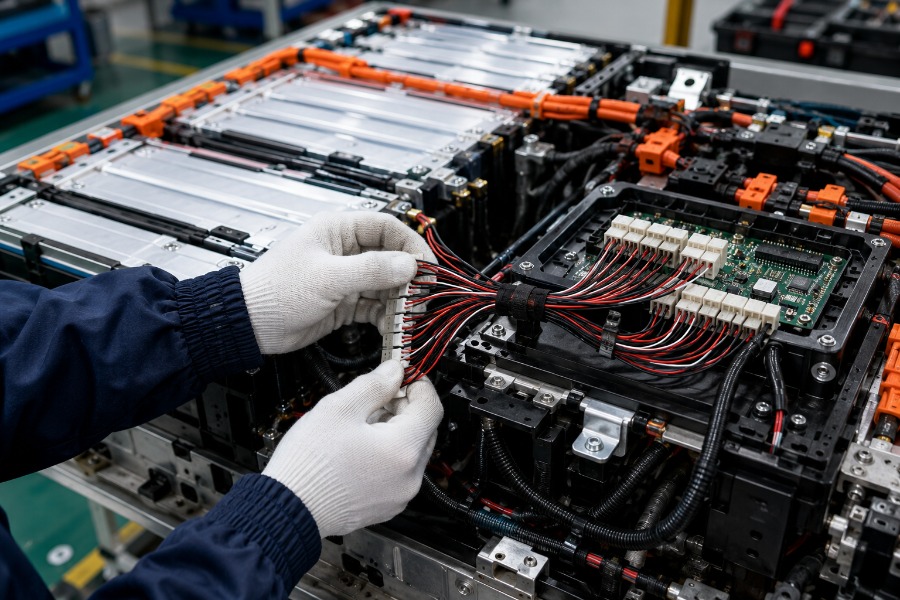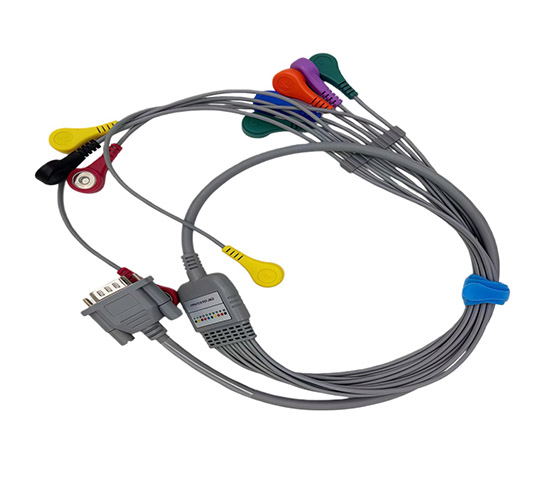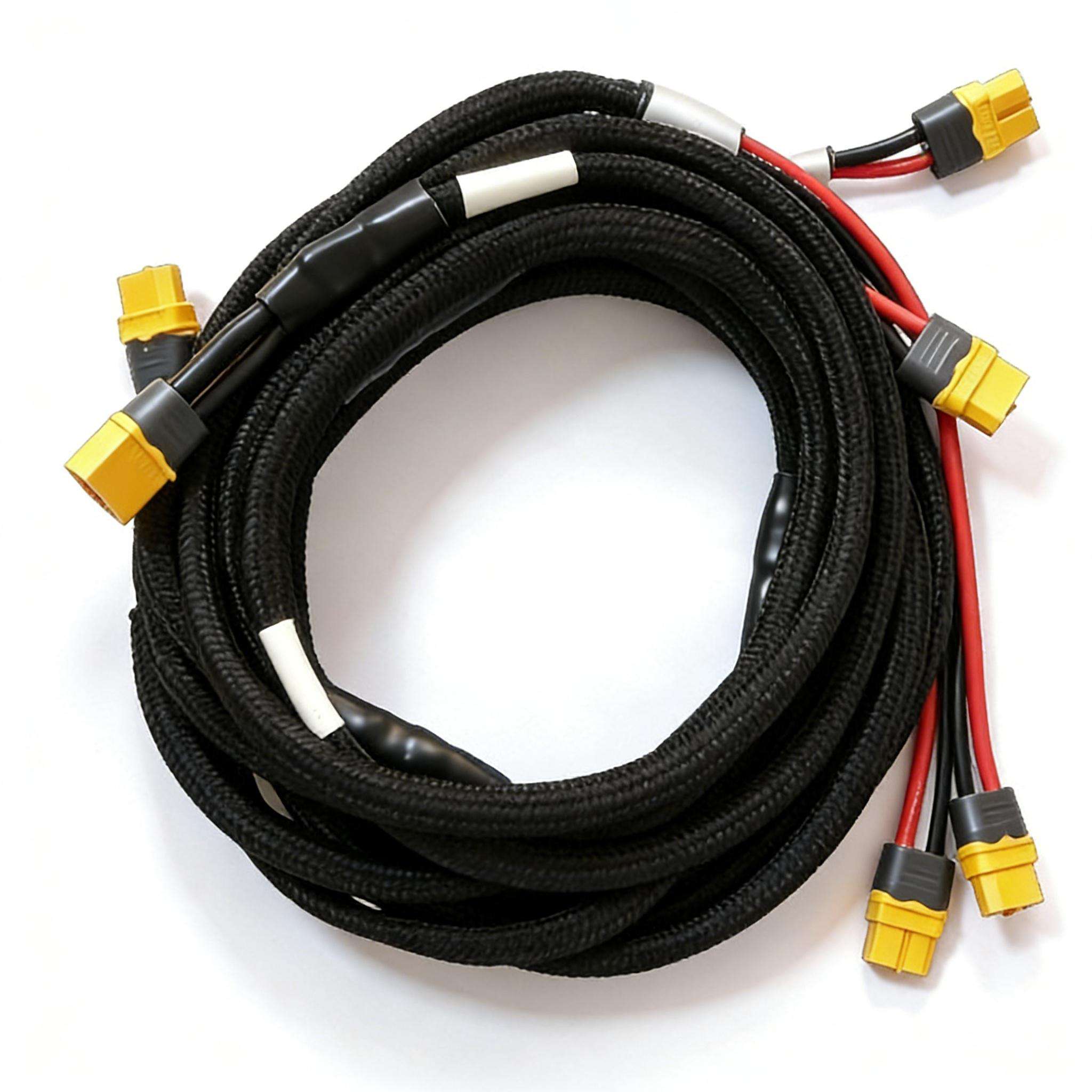

Custom Automotive Wire Harness Prototyping for EVs
Time : September 21, 2026 View : 240
A prototype harness can fit on the bench and still fail its first vehicle trial. A branch reaches the wrong side of a bracket, a connector cannot be unlocked, or a cable pulls tight when its mounting points move. For EV manufacturers and integration teams, rapid prototyping is valuable when it resolves these uncertainties early. The useful question is how to turn OEM requirements into a sample that teaches something reliable about the next production build.
The OEM definition gives the prototype a purpose
A useful prototype has a specific question to answer. An early package sample may establish routing and connector access; a later sample may assess the intended materials and assembly process. Calling both samples “production ready” hides the difference. Agreeing on the build purpose makes the result easier for engineering and purchasing teams to interpret.
The electrical definition and physical layout need to describe the same revision. A pin assignment that changes without a matching drawing update can leave an otherwise neat assembly connected incorrectly. For a custom automotive wiring harness, the baseline should connect circuit functions, connector identities and branch dimensions, so each sample can be compared with an agreed design.
That baseline also makes supplier support more useful. At Songyuan wiring harness, we provide customization for automotive and new energy applications, including production to customer specifications. Our development process uses customer CAD information to create a harness prototype model and quotation, followed by samples for testing after commercial approval. The sample becomes a physical version of the agreed design, with its remaining questions clearly identified.
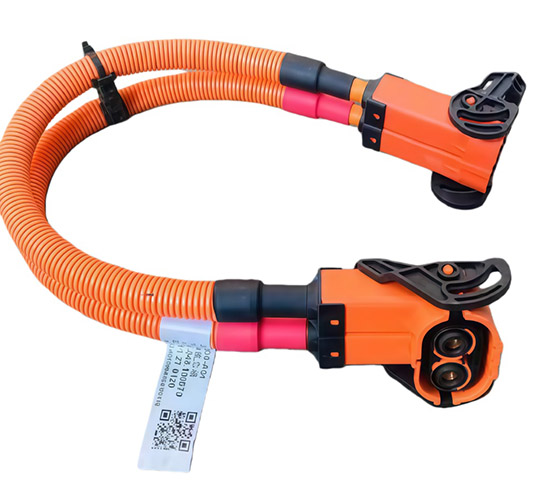
Cable choices become physical constraints in the vehicle
The installed route gives electrical choices a mechanical consequence. Cable size, covering and connector orientation affect the space an assembly occupies. A route drawn as a thin line therefore needs a physical check with the intended construction. A temporary thin cable may demonstrate the general path while leaving the final bend and connector access unresolved.
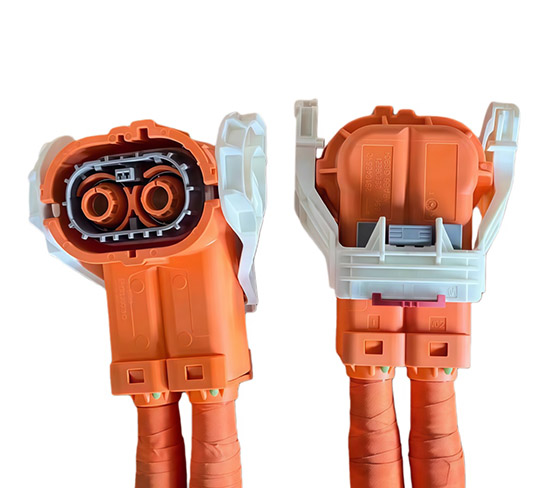
Our high voltage wire harness customization options illustrate why a prototype needs a defined configuration. For the EV high-voltage wire and cable assembly, the available ranges below are design options, not a statement that every combination has the same rating.
|
Design variable |
Available range |
Prototype implication |
|
Assembly length |
1–15 m, with differentiated branches |
Check actual routing and mounting locations. |
|
Conductor cross-section |
6–150 mm² |
Confirm cable envelope and terminal compatibility. |
|
DC voltage options |
600–2,000 V |
Match the selected construction to the circuit requirement. |
|
Current options |
50–800 A |
Evaluate the chosen configuration under its intended load conditions. |
These ranges cannot replace configuration-specific engineering. A conductor size alone does not establish the current rating of a complete assembly. The prototype review must connect the selected wire, terminals and route to the actual operating requirements; it should not treat the highest figures in different columns as one ready-made specification.
Physical trials should expose the tightest installation condition. In an illustrative EV build, moving a mounting clip could improve connector access but shorten the free cable available for movement. Record that change against the branch dimension before commissioning another sample. Our EV assembly supports customized branch lengths, so the next build can incorporate the actual fit correction.
Termination details determine whether the sample can repeat
A well-fitting sample still needs a repeatable connection process. A prototype made with temporary components may answer a packaging question, but its results cannot automatically establish the performance of the planned production termination. The engineering review should identify substitutions and the conclusions each substitution limits.
Crimp quality depends on the wire, terminal and tooling combination. Crimp height is a useful control, yet it cannot by itself reveal every variation in wire or terminal condition. The relevant terminal application specification should govern dimensional limits, supported by the required inspection and testing. A generic pull-force target is an inadequate substitute for the correct connection requirements.
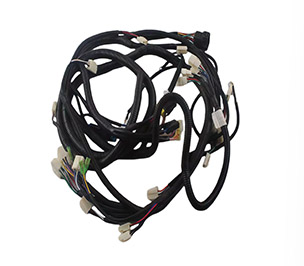
The supplier discussion becomes more concrete once fit and termination choices are linked. For assemblage de faisceaux de câbles sur mesure, we support prototype sampling, production-process inspection and finished-product inspection. Agree which checks belong to the sample build and which need later production equipment, so a successful early trial does not carry a broader approval than the evidence supports.
Sample findings must reach the next build
The prototype only saves development effort when its findings change the controlled design. Connector rotation, branch position and component substitutions need a clear disposition: accepted, revised or awaiting another trial. Keeping the drawing, component definition and assembly instructions aligned reduces the chance that the next build repeats a resolved problem.
Production approval is a separate decision from sample acceptance. Where the customer requires PPAP, the submission addresses whether engineering design and specification requirements can be met consistently. Confirm that customer’s requirements before planning the pilot build. An accepted prototype alone does not establish production-process capability or complete a customer approval package.
Faster progress comes from closing the right uncertainties
A useful EV harness prototype connects the OEM definition to installed fit, repeatable terminations and a controlled next revision. That sequence gives engineers a reason to accept the sample and gives purchasing teams a clearer basis for the next build. Turnaround should be agreed around component availability, construction and testing scope, with unresolved issues visible before release.
For an upcoming EV sample, discuss the installation question and intended test scope with Songyuan wiring harness so we can align the customized assembly with that build’s purpose.
FAQ
What information defines a useful harness prototype?
The essential information links circuit connections with physical routing. Connector identities, pin assignments, branch dimensions and the intended build purpose let the team judge whether the sample answers its actual development question.
How quickly can a custom EV harness be prototyped?
Timing depends on component availability, tooling, design maturity and agreed testing. Confirm a project-specific schedule after the construction is defined. A fit-only sample and a sample using production-intent terminations may require different preparation.
Can temporary connectors be used in an early sample?
They can support a limited trial when the substitution is recorded. They do not establish the fit, retention or electrical performance of a different production connector. State those limits when reviewing the result.
Does a larger conductor guarantee a higher assembly rating?
No. The completed assembly also depends on its terminals, insulation, thermal conditions and installation. Evaluate the selected configuration rather than combining the largest conductor and highest current figures from separate option ranges.
Does an approved prototype authorize mass production?
Only within the customer’s agreed approval scope. Production release may require additional validation, process evidence and PPAP documentation. Sample acceptance should identify what was verified and what remains open before the pilot or production order.